 By Alex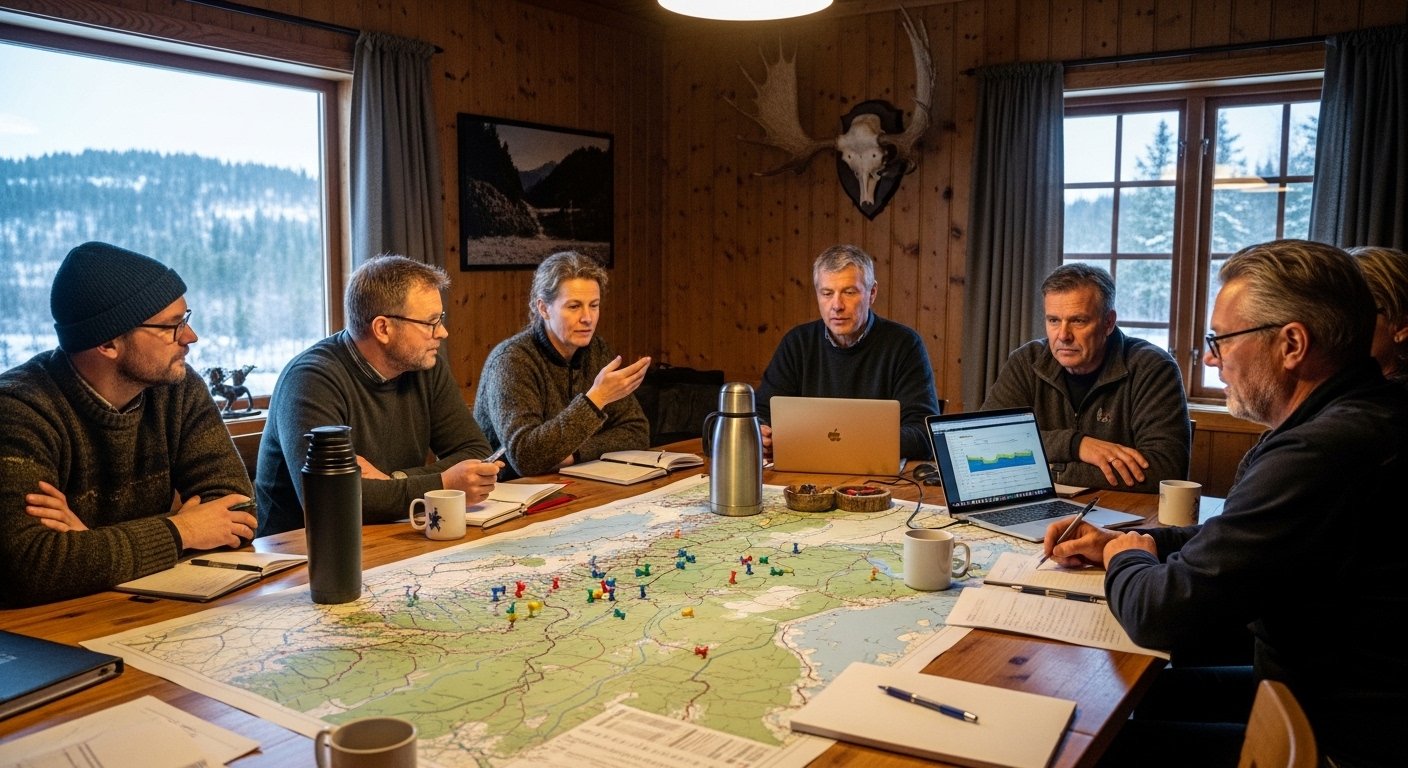
Viltnemnda is a cornerstone of local wildlife governance in Norway, ensuring that nature conservation, sustainable hunting and community interests are balanced in a practical and transparent way. While national agencies define the overall policy direction, it is this locally appointed body that turns strategy into action on the ground. From managing big game populations to advising municipal councils, Viltnemnda plays a vital role in how wildlife is protected and used responsibly across the country.
This in-depth guide explains what Viltnemnda is, how it operates, why it exists, and how it supports both ecological sustainability and local communities.
What Is Viltnemnda and Why It Matters
Viltnemnda is a municipal wildlife committee established by local governments to manage wild game resources and contribute to responsible wildlife stewardship. The committee represents local knowledge, field experience and community values, which are essential when wildlife management decisions directly affect landowners, hunters, farmers and residents.
Unlike purely administrative bodies, Viltnemnda operates close to nature and people. Its members often have direct experience with hunting, forestry, agriculture and conservation. This practical perspective allows the committee to evaluate local conditions more accurately than centralized institutions alone.
The importance of Viltnemnda lies in its ability to connect national environmental objectives with real-world landscapes. Wildlife populations differ greatly between coastal areas, forests, mountains and agricultural regions. Local decision-making helps ensure that policies are applied with sensitivity to regional ecosystems and social realities.
The Legal and Administrative Foundation of Viltnemnda
The authority of Viltnemnda comes from Norway’s national wildlife and nature management framework. The committee is formally appointed by each municipality and operates within national legislation governing wildlife conservation, hunting rights and land use.
Policy and regulatory oversight is coordinated at the national level by Miljødirektoratet, which provides professional guidelines, scientific data and management objectives. At the regional level, county administrations support municipalities and supervise compliance with national standards.
Viltnemnda does not function independently of the state. Instead, it works as a local extension of national environmental governance, ensuring that decisions reflect both scientific evidence and community needs.
How Viltnemnda Is Organized at the Municipal Level
Each municipality appoints its own Viltnemnda. The size of the committee varies depending on population, land area and wildlife pressure. Members are usually selected from the municipal council or nominated by political groups, but the role itself is non-partisan.
Once appointed, the committee operates as an advisory and decision-support body. It cooperates closely with municipal administrators who handle formal case processing, permits and documentation.
The structure ensures democratic accountability while allowing the committee to focus on wildlife-specific expertise. Regular meetings, field inspections and dialogue with stakeholders form the backbone of daily operations.
The Core Responsibilities of Viltnemnda
Viltnemnda handles a wide range of tasks related to wild game management and sustainable use. Its responsibilities typically include advising the municipality on hunting regulations, approving local management plans and contributing to decisions about harvest levels for species such as moose, red deer and roe deer.
In addition to harvest planning, Viltnemnda monitors population trends and ecological impacts. By reviewing reports from hunters, landowners and wildlife monitoring programs, the committee assesses whether current practices support long-term sustainability.
The committee also provides guidance when conflicts arise between wildlife and human activity. Damage to crops, traffic accidents involving wildlife and pressure on grazing areas are common issues where local knowledge becomes essential.
Viltnemnda and Sustainable Wildlife Management
Sustainability is the central principle guiding Viltnemnda’s work. The committee does not aim to maximize hunting opportunities alone. Instead, it strives to maintain healthy populations that can reproduce naturally, maintain genetic diversity and fulfill their ecological roles.
By combining scientific recommendations from national agencies with firsthand observations from local landscapes, Viltnemnda supports adaptive management. If population numbers increase beyond sustainable levels, the committee may recommend adjustments to hunting quotas. If numbers decline, it may support more restrictive measures.
This flexible approach is particularly important in Norway, where climate change, land development and shifting migration patterns influence wildlife distribution.
The Role of Viltnemnda in Big Game Management
Large game species represent one of the most visible areas of Viltnemnda’s responsibility. Species such as moose and deer are economically valuable for local communities and culturally important in Norwegian hunting traditions.
Viltnemnda helps review and approve local wildlife management plans prepared by landowner groups or hunting associations. These plans define long-term objectives, population targets and harvest strategies.
By evaluating biological data such as age structure, reproduction rates and body weight, the committee helps ensure that harvesting practices maintain balanced populations rather than short-term yields.
Supporting Local Hunters and Landowners
Viltnemnda serves as an important bridge between authorities and those who manage land and wildlife daily. Hunters and landowners rely on the committee for guidance on regulations, reporting requirements and best practices.
The committee often clarifies how national rules apply locally, especially in areas with mixed land use, fragmented ownership or protected habitats. This reduces uncertainty and promotes compliance.
By offering a local forum for questions and dialogue, Viltnemnda strengthens trust between communities and public institutions, which is essential for successful wildlife governance.
Viltnemnda and Human–Wildlife Conflict Management
Conflicts between wildlife and people are unavoidable in a country where forests, farmland and residential areas frequently overlap. Viltnemnda contributes to practical solutions when wildlife causes damage to agriculture, forestry or infrastructure.
The committee may assist municipal authorities in evaluating compensation cases or recommending preventive measures. These may include changes in hunting strategies, habitat adjustments or cooperation with landowners to reduce attractants.
Because Viltnemnda members often live in the affected areas themselves, they understand both the emotional and economic consequences of wildlife conflicts. This local perspective helps produce balanced and realistic solutions.
Data, Monitoring and Local Knowledge
Reliable data is critical for wildlife management, and Viltnemnda plays a role in collecting and interpreting information from the field. Hunters submit harvest reports, observations and biological samples, which contribute to national databases.
The committee reviews this information and compares it with historical trends. However, Viltnemnda also values traditional and experiential knowledge. Long-term residents, land managers and hunters can identify subtle changes in migration routes, calving areas or seasonal behavior that are not always captured in statistical models.
This combination of formal monitoring and lived experience strengthens the quality of local decision-making.
Cooperation with Regional and National Authorities
Although Viltnemnda focuses on local matters, it is deeply integrated into Norway’s multi-level governance system. County authorities provide supervision, training and legal guidance, ensuring that municipal practices align with national policies.
Viltnemnda may also participate in consultations when larger regional wildlife strategies are developed. This upward flow of information allows local challenges and opportunities to influence national planning.
The collaborative framework ensures consistency while preserving flexibility, which is one of the defining features of Norway’s wildlife management model.
Transparency and Public Participation
Public trust is essential when wildlife decisions affect livelihoods, recreation and land use. Viltnemnda contributes to transparency by participating in open municipal processes, where management plans and regulations are discussed publicly.
Citizens can raise concerns, submit feedback and engage with committee members through local meetings or consultation procedures. This openness strengthens democratic legitimacy and encourages shared responsibility for wildlife stewardship.
By making decision-making visible and accessible, Viltnemnda supports a culture of accountability in environmental governance.
The Cultural Significance of Viltnemnda
Hunting and outdoor traditions have deep roots in Norwegian society. Viltnemnda operates at the intersection of cultural heritage and modern environmental policy.
Through its work, the committee helps preserve responsible hunting practices, ethical standards and respect for nature. This cultural dimension should not be underestimated. Sustainable wildlife management is not only about numbers and regulations but also about values, identity and long-term relationships with the land.
Viltnemnda reinforces these values by promoting education, cooperation and dialogue within local communities.
Challenges Facing Viltnemnda Today
Despite its strengths, Viltnemnda faces growing challenges. Climate change alters habitats and migration patterns, making historical data less predictive. Urban expansion and infrastructure development increase fragmentation of wildlife habitats and raise the risk of human–wildlife conflicts.
In addition, municipalities vary in resources and administrative capacity. Smaller municipalities may struggle with limited technical support and fewer specialized staff.
To meet these challenges, continuous training, improved data tools and closer cooperation between municipalities are becoming increasingly important for effective local wildlife management.
Digitalization and Modern Decision Support
Modern wildlife governance increasingly relies on digital reporting systems, geographic information tools and centralized databases. Viltnemnda benefits from these technologies by gaining faster access to population statistics, harvest data and mapping services.
Digital platforms help streamline administrative work and allow the committee to focus more on strategic discussion and field-based evaluation. As data quality improves, Viltnemnda can make more precise recommendations and respond more quickly to emerging trends.
However, technology does not replace local knowledge. The most effective decisions still combine digital tools with practical experience and field observation.
Training and Competence Development
Viltnemnda members are not required to be professional biologists, but continuous competence development is encouraged. County authorities and national agencies provide courses, seminars and guidance on wildlife biology, legislation and conflict management.
This professional support strengthens the committee’s ability to interpret scientific advice, apply legal frameworks correctly and communicate effectively with stakeholders.
By investing in competence development, municipalities ensure that Viltnemnda remains a credible and capable partner in environmental governance.
Viltnemnda as a Model of Community-Based Governance
Internationally, Norway’s approach to wildlife management is often highlighted for its strong local involvement. Viltnemnda represents a practical example of community-based governance, where decision-making authority is shared between local institutions and national agencies.
This model recognizes that sustainable management cannot be imposed solely from the top. It requires local ownership, trust and cooperation.
Viltnemnda demonstrates how democratic participation and ecological responsibility can coexist within a structured regulatory system.
The Future of Viltnemnda in Norwegian Wildlife Policy
Looking ahead, Viltnemnda is expected to play an even more important role in adapting wildlife management to changing environmental and social conditions. Increased pressure on land use, evolving recreational patterns and climate-driven ecological change will require more flexible and locally informed strategies.
Strengthening cooperation across municipalities, enhancing digital infrastructure and maintaining strong professional support from national agencies will be key priorities.
By continuing to integrate scientific knowledge with community insight, Viltnemnda can remain a reliable foundation for sustainable wildlife management in Norway.
Conclusion
Viltnemnda plays a vital role in Norway’s wildlife management system by bridging national policies with local realities. Through community-based decision-making, practical expertise, and collaboration with hunters, landowners, and authorities, the committee ensures that wildlife populations are managed sustainably while minimizing conflicts with human activity. Its focus on transparency, cultural values, and adaptive strategies makes Viltnemnda a model for balancing ecological stewardship with the needs of local communities. As environmental challenges grow, the committee’s local knowledge and cooperative approach will remain essential for preserving Norway’s natural heritage for future generations.