
 By Alex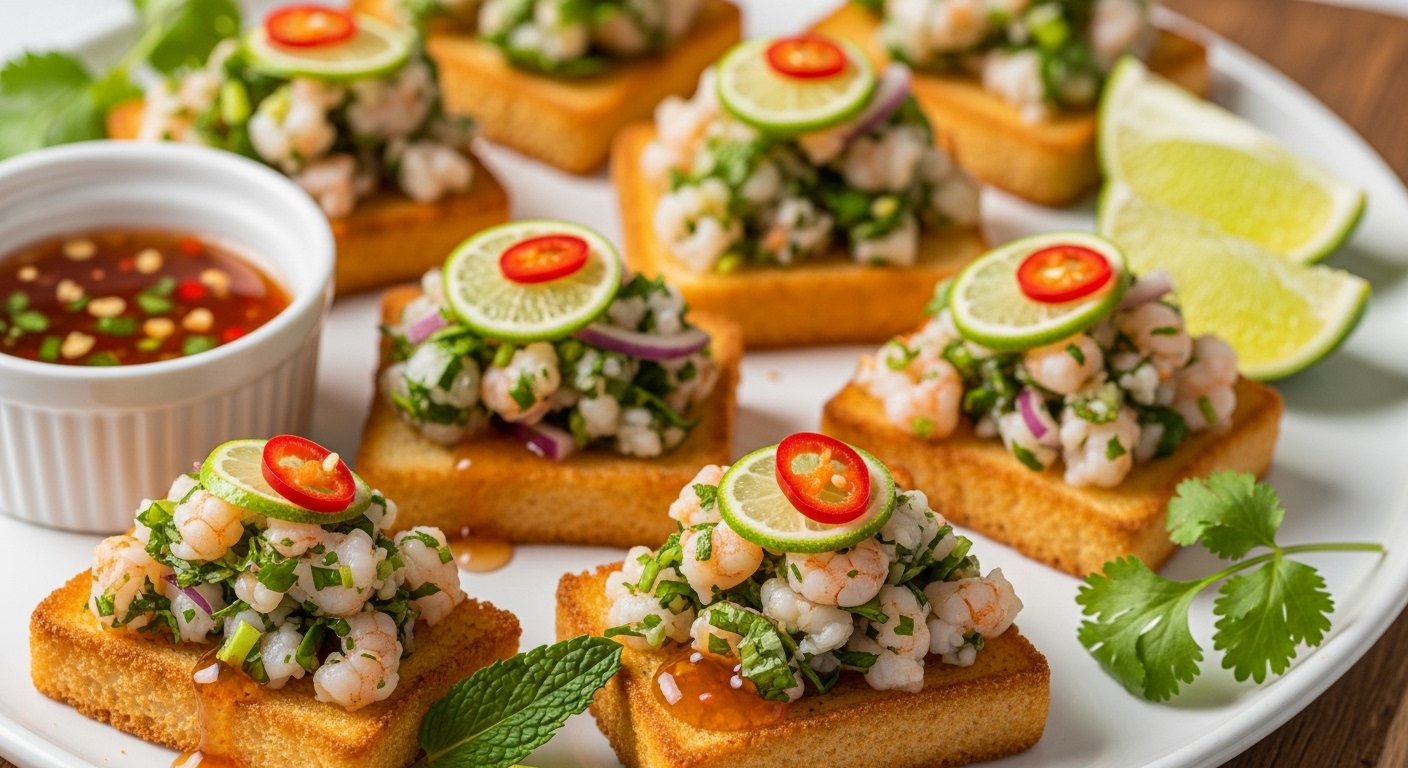
The Story Behind a Modern Vietnamese Street Favorite
Vietnamese food has always been known for its balance. Sweet meets savory, fresh herbs soften rich sauces, and delicate ingredients are elevated by simple cooking techniques. Toastul grew from this culinary philosophy. Inspired by classic shrimp toast and coastal seafood snacks, this dish transforms familiar flavors into something visually appealing and deeply satisfying.
Street vendors in Vietnam have long mastered the art of quick, flavorful bites. Shrimp fritters, seafood skewers, and crispy pancakes are common sights in busy markets. Toastul takes inspiration from these traditions and refines them into a signature shrimp delight that highlights quality ingredients and thoughtful preparation.
Rather than overwhelming the palate, the recipe focuses on balance. Each element is designed to support the shrimp’s natural sweetness while delivering a crisp exterior that makes every bite memorable.
Why Vietnamese Shrimp Dishes Are So Popular Worldwide
Vietnamese cuisine has gained international recognition because it prioritizes freshness and contrast. Shrimp, in particular, plays a starring role across many regional recipes. Coastal provinces offer abundant seafood, allowing local cooks to experiment with flavors and textures that highlight the natural taste of the ocean.
Shrimp adapts beautifully to spices, citrus, herbs, and light batters. This flexibility allows dishes like Toastul to appeal to both adventurous eaters and those discovering Vietnamese flavors for the first time. The gentle seasoning profile ensures the shrimp remains the hero, while supporting ingredients add depth and aroma.
As global diners continue to search for authentic yet approachable food experiences, Vietnamese shrimp recipes stand out for their simplicity and refinement.
What Makes Toastul Truly Unique
While many crispy shrimp dishes exist, Toastul sets itself apart through its preparation and flavor layering. The shrimp mixture is finely balanced with aromatic components such as garlic, shallot, and subtle spices. The exterior coating is light yet crisp, offering a satisfying crunch without overpowering the shrimp inside.
Another defining feature is its versatility. Toastul can be served as a street-style snack, an appetizer for a formal gathering, or a centerpiece dish paired with fresh salads and dipping sauces. This flexibility makes it suitable for home cooks, restaurants, and pop-up food concepts alike.
The dish also reflects modern food presentation trends. Its compact shape, golden finish, and vibrant garnishes make it highly photogenic—an important factor in today’s social media-driven dining culture.
The Core Ingredients That Shape the Flavor
The success of Toastul begins with quality ingredients. Fresh shrimp are the foundation, delivering both sweetness and tenderness. Aromatic elements such as garlic and onion provide warmth, while mild spices add subtle complexity.
A small amount of starch or bread-based component binds the shrimp mixture, creating a smooth texture that fries evenly. Light seasoning ensures that the natural flavor of seafood remains prominent rather than masked.
Fresh herbs, often added just before serving, contribute brightness and fragrance. Lime or citrus zest can also be used to lift the overall taste, giving the dish a refreshing finish that contrasts beautifully with its crispy surface.
The Preparation Process That Creates Perfect Crispiness
Achieving the ideal texture requires attention to detail. The shrimp are carefully cleaned and finely chopped or blended to preserve moisture. Aromatics are gently mixed in to avoid overpowering the seafood.
Once shaped, the mixture is lightly coated to form a delicate outer layer. The cooking temperature is crucial. Oil that is too hot risks burning the exterior before the center cooks, while oil that is too cool results in excessive absorption and loss of crunch.
When prepared correctly, Toastul emerges golden, crisp on the outside, and tender within. The contrast between textures is one of its most appealing characteristics.
A Flavor Profile That Appeals to Every Palate
One of the most attractive qualities of Toastul is its balanced taste. The initial crunch gives way to soft shrimp infused with gentle seasoning. Savory notes dominate, but light sweetness from the shrimp and subtle aromatics keeps the dish from feeling heavy.
This balance allows the dish to pair well with a variety of sauces. Sweet chili, lime-based fish sauce blends, or light herb dressings complement the shrimp without masking its flavor. The result is a customizable eating experience that can suit both mild and bold preferences.
Cultural Influence in Every Bite
Vietnamese food culture emphasizes sharing. Meals are often enjoyed communally, with several dishes placed in the center of the table. Toastul fits seamlessly into this tradition. Its bite-sized form encourages conversation and casual enjoyment, making it ideal for social gatherings.
The dish also reflects Vietnam’s culinary adaptability. While rooted in traditional techniques, it embraces modern presentation and evolving flavor trends. This ability to bridge old and new is a defining feature of contemporary Vietnamese cuisine.
How Toastul Fits Into Today’s Global Food Trends
The modern dining landscape favors food that is both comforting and visually appealing. Toastul meets both demands. Its crispy exterior and colorful garnishes make it ideal for food photography, while its familiar shrimp base keeps it approachable for international audiences.
Another growing trend is interest in regional street food. Diners increasingly seek dishes that reflect local culture rather than generic restaurant fare. Toastul aligns with this movement by offering a refined version of classic Vietnamese snack traditions.
Health-conscious consumers also appreciate that the dish relies on fresh seafood and light seasoning. When paired with salads or herbs, it becomes part of a balanced and satisfying meal.
Serving Ideas for a Complete Experience
Toastul shines when presented with fresh accompaniments. Crisp lettuce, pickled vegetables, and aromatic herbs such as mint and cilantro create contrast and brightness. A small bowl of dipping sauce on the side allows guests to personalize their flavor experience.
For a casual setting, the dish can be served in small baskets or plates as finger food. In a more formal environment, it can be arranged neatly with garnishes and sauce drizzles to elevate its presentation.
Whether enjoyed at home or served professionally, thoughtful presentation enhances both taste and visual appeal.
Pairing Toastul With Beverages and Side Dishes
Light, refreshing beverages work best with crispy shrimp dishes. Herbal teas, citrus drinks, or sparkling water complement the flavors without overwhelming them. For side dishes, steamed rice, fresh noodle salads, or light vegetable plates provide balance and variety.
These combinations allow the shrimp to remain the centerpiece while offering enough contrast to create a satisfying dining experience.
Why Food Enthusiasts Are Talking About This Shrimp Delight
The growing popularity of Toastul comes from its ability to deliver comfort and excitement in equal measure. It feels familiar, yet its flavor profile and presentation offer something new. The dish also resonates with people who value authenticity but enjoy modern culinary creativity.
Food bloggers, home cooks, and chefs alike appreciate how easily the recipe can be adapted. Slight adjustments in seasoning, dipping sauces, or presentation allow each cook to put their own signature touch on the dish.
This adaptability is one of the reasons it continues to gain attention across different food communities.
Bringing Vietnamese Flavor Into Your Home Kitchen
Preparing Toastul at home is surprisingly accessible. With basic cooking equipment and fresh ingredients, home cooks can recreate the crispy texture and balanced flavor that define this shrimp delight.
The key is patience during preparation and cooking. Careful mixing, proper oil temperature, and attention to seasoning make a noticeable difference. Even small improvements in technique can elevate the final result significantly.
For those new to Vietnamese cuisine, this dish offers an excellent introduction. It showcases core principles such as balance, freshness, and respect for ingredients while remaining easy to enjoy.
The Role of Presentation in Modern Vietnamese Cuisine
Presentation has always mattered in Vietnamese food, though it traditionally focused more on color and freshness than intricate plating. Toastul reflects how modern cooks are combining traditional aesthetics with contemporary styling.
Simple garnishes, clean plating, and thoughtful arrangement highlight the golden color of the shrimp while allowing fresh herbs to add contrast. This visual harmony enhances the overall dining experience and reinforces the dish’s appeal.
Sustainability and Responsible Seafood Choices
As awareness of sustainability grows, many cooks and restaurants are prioritizing responsibly sourced shrimp. Toastul benefits from this approach, as high-quality seafood not only supports ethical practices but also improves flavor and texture.
Choosing local or certified suppliers helps preserve marine ecosystems while ensuring the dish remains fresh and flavorful. This conscious approach aligns well with the values of modern diners who care about both taste and environmental impact.
The Emotional Connection to Comfort Food
Crispy snacks have a universal appeal. They evoke memories of gatherings, celebrations, and shared meals. Toastul taps into this emotional connection by offering familiar comfort through shrimp and crunchy texture while introducing distinctive Vietnamese flavor elements.
This blend of nostalgia and discovery is a powerful reason why people return to the dish again and again.
The Future of Toastul in Contemporary Cuisine
As Vietnamese cuisine continues to gain global recognition, innovative dishes inspired by tradition will play a major role in shaping its future. Toastul represents how creativity can enhance classic flavors without losing cultural identity.
Chefs are already experimenting with variations, such as incorporating regional spices, alternative coatings, and unique dipping sauces. These adaptations ensure that the dish remains relevant while honoring its roots.
The future looks bright for this shrimp-based creation as it finds its place in modern menus and home kitchens alike.
Conclusion
Toastul: Crispy Vietnamese Shrimp Delight Bursting with Flavor stands as a delicious example of how traditional culinary values can blend seamlessly with modern creativity. Its golden crunch, balanced seasoning, and cultural roots make it more than just another shrimp snack. It reflects the heart of Vietnamese food—fresh ingredients, thoughtful preparation, and shared enjoyment.
From busy street stalls to stylish dining tables, this shrimp delight continues to win over food lovers who seek authentic taste paired with contemporary presentation. Whether you discover it through travel, social media, or your own kitchen, this dish offers a flavorful journey into the evolving world of Vietnamese cuisine.