
 By Alex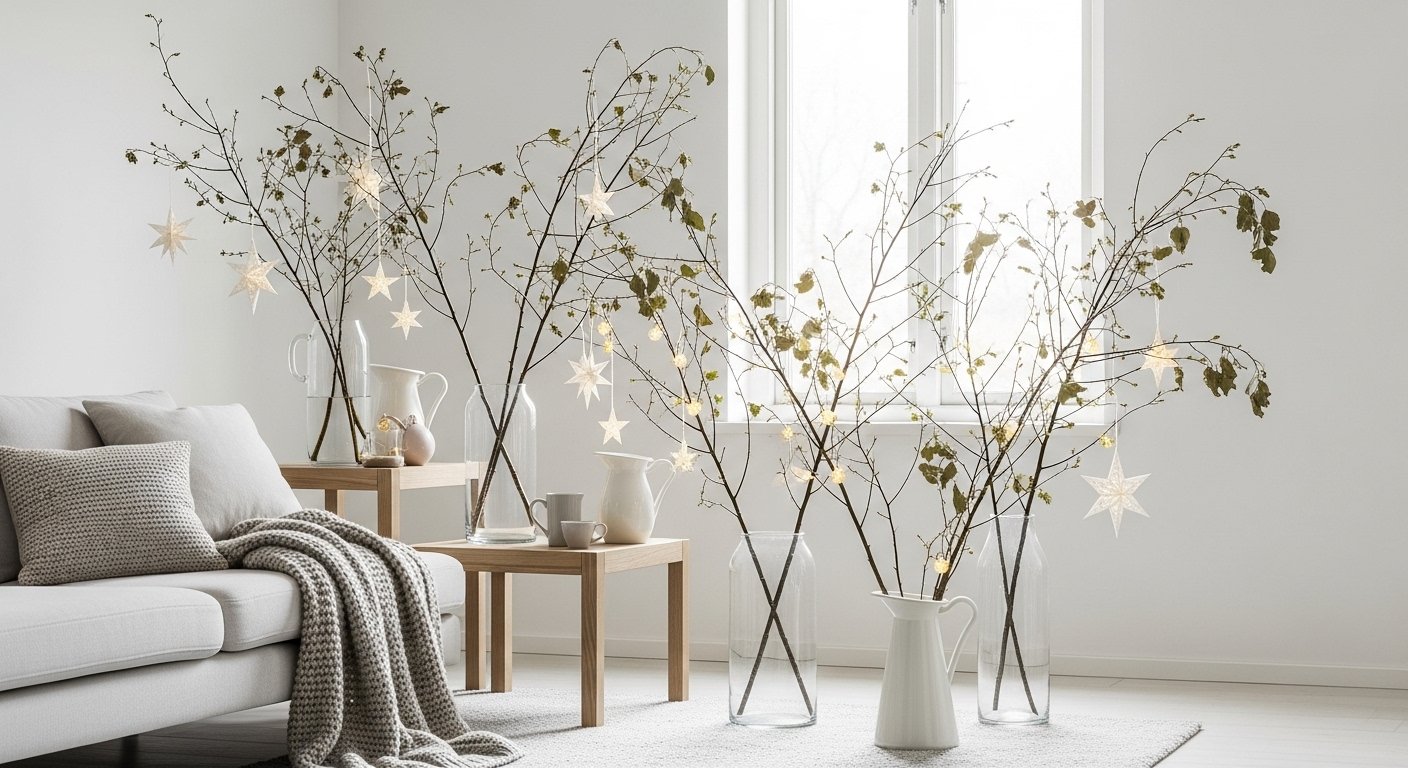
Pyntekvister is quickly becoming one of the most admired design ideas among people who love calm, natural and beautifully balanced interiors. Rooted in the quiet elegance of Scandinavian living, this decorative concept celebrates the simple power of branches, twigs and natural stems to transform a space without noise, clutter or artificial styling. In a world filled with fast décor trends and mass-produced accessories, this approach offers something refreshingly authentic, grounded and timeless.
The beauty of this style lies in how effortlessly it connects nature with everyday living. It does not try to impress through luxury materials or complex arrangements. Instead, it focuses on atmosphere, harmony and the emotional comfort that natural elements bring into the home. For modern homeowners, apartment dwellers and creative interior enthusiasts, this gentle decorative philosophy delivers both visual refinement and a deeper sense of calm.
The Meaning Behind This Scandinavian Decorative Tradition
At its heart, the idea revolves around using carefully chosen natural branches as a central decorative feature. These branches are not treated as temporary ornaments but as thoughtful design elements that enhance the rhythm and mood of a room. In Scandinavian culture, nature has always played an important role in daily life, especially during long winters when bringing the outdoors inside helps maintain emotional well-being.
This tradition grew from a practical mindset. People gathered what was available in nearby forests and gardens, allowing seasonal materials to become part of interior styling. Over time, the practice evolved into an aesthetic language that expresses respect for nature, simplicity and mindful living. Today, it stands as a refined form of eco-inspired home decoration that aligns perfectly with modern sustainability values.
Why Natural Branch Decor Fits Modern Homes So Well
Contemporary homes often struggle with visual overload. Open floor plans, neutral walls and minimal furniture can feel empty, yet adding too many decorative objects quickly creates clutter. This is where natural branch décor becomes remarkably effective.
A single arrangement can provide height, texture and organic movement without dominating the room. The natural lines of branches introduce contrast to clean architectural surfaces and soft furnishings. Whether placed in a living room corner, on a dining table or beside a window, the result feels intentional rather than decorative for decoration’s sake.
This design approach works beautifully in both compact apartments and spacious homes because it adapts effortlessly to scale. A few slender twigs can elevate a small shelf, while tall branches in a floor vase can anchor a large room.
The Emotional Power of Nature Inside the Home
One of the strongest reasons people are embracing this Scandinavian decorative secret is its emotional impact. Natural forms are proven to reduce stress and create a sense of connection to the outdoors. Soft curves, irregular textures and gentle shadows formed by branches provide a calming visual experience that artificial accessories rarely offer.
When you introduce natural elements into your living environment, the home becomes more than a functional space. It becomes a restorative setting. This quiet atmosphere supports relaxation, creativity and focus, making the style especially appealing for people who work remotely or spend long hours indoors.
The subtle presence of nature also creates a more personal interior. Each branch is unique, shaped by wind, weather and time, giving your home an identity that cannot be replicated by factory-made décor.
Choosing the Right Branches for Elegant Styling
Selecting suitable branches is an essential part of achieving a refined and balanced look. The most appealing arrangements often use branches with gentle curves, interesting textures and balanced proportions. You do not need rare plants or expensive materials. In fact, the most authentic results usually come from locally sourced natural stems.
Thin branches with small offshoots feel delicate and suit minimalist interiors. Thicker branches with visible bark and natural imperfections add character to rustic or modern-organic spaces. Neutral tones work best because they complement Scandinavian color palettes that rely on whites, soft greys, warm wood tones and subtle earth colors.
It is also important to consider the season. Spring branches may feature soft buds, while autumn selections may display warmer hues and stronger textures. Allowing seasonal variation keeps the home visually fresh without changing the overall design direction.
Preparing Natural Elements for Long-Lasting Beauty
Before placing branches indoors, simple preparation ensures they remain visually appealing and safe for interior use. Gently cleaning them removes dust, insects and loose bark. Allowing them to dry naturally helps preserve their shape and prevents unwanted moisture issues.
Some people prefer to keep the branches in their natural color, while others lightly treat them with clear protective finishes to maintain their surface over time. However, the most important aspect is restraint. Over-processing removes the very authenticity that makes this decorative approach so special.
The charm of this design lies in subtle imperfections and organic surfaces. Letting the material remain honest and natural strengthens the overall aesthetic.
How to Style Branches Without Overdecorating
A successful arrangement never competes with the room. Instead, it quietly supports the existing design. Placement should feel intuitive rather than forced. Corners with natural light, empty surfaces that lack visual structure and transitional spaces such as hallways or stair landings are ideal.
The key principle is balance. Negative space is just as important as the branches themselves. Leaving room around the arrangement allows the eye to rest and appreciate the form and movement of the natural lines.
The container also plays a major role. Simple ceramic, stone or glass vessels allow the branches to remain the focal point. Avoid overly decorative vases, as they disrupt the calm and understated Scandinavian mood.
Blending Natural Branch Decor With Scandinavian Interiors
Scandinavian interiors are known for their clarity, functional layouts and warm minimalism. This decorative tradition integrates effortlessly because both philosophies share the same values.
Light-filled rooms, pale wooden floors and soft textiles provide a gentle background that highlights the natural beauty of branches. The contrast between organic textures and smooth surfaces creates a sophisticated yet approachable atmosphere.
In darker winter months, subtle lighting placed near the arrangement can produce soft shadows that enhance the visual depth of the room. This technique creates a cozy ambiance without adding unnecessary decorative items.
Sustainability and Conscious Living Through Natural Decor
Sustainability is no longer a trend but a lifestyle choice for many homeowners. Natural branch décor supports this shift in a very practical way. It encourages responsible sourcing, reuse of natural materials and reduced dependence on mass-produced home accessories.
By choosing what already exists in nature, you minimize packaging waste, transportation emissions and short-lived decorative products. This design practice gently educates people to value quality, longevity and simplicity over constant consumption.
It also supports local environments when done responsibly. Collecting fallen branches or pruning garden plants rather than removing living trees maintains ecological balance while still allowing creative expression.
Seasonal Styling That Evolves With the Year
One of the most beautiful aspects of this Scandinavian decorative secret is its flexibility across seasons. In spring, delicate budding branches bring freshness and renewal into the home. Summer arrangements can feature light greenery and softer shapes that reflect outdoor abundance.
Autumn branches with warm tones and textured bark introduce depth and coziness. During winter, bare branches highlight form, structure and quiet elegance, aligning perfectly with the calm, introspective mood of the season.
This natural rotation allows your interior to subtly change throughout the year without redesigning entire rooms. The home evolves gently, mirroring the rhythm of nature.
Creating a Calm Visual Flow Throughout Your Living Space
Interior design is not only about individual objects but about how the eye moves through a space. Thoughtfully placed natural arrangements help guide attention and establish visual flow. Tall branches can connect floor and ceiling visually, while smaller arrangements soften sharp corners and hard lines.
This technique is especially effective in open-plan homes, where visual continuity is essential. By repeating natural elements in different areas, you create a quiet design language that unifies the entire interior.
The result feels harmonious rather than styled, intentional rather than decorative.
Why This Style Appeals to Creative and Mindful Homeowners
Many people today seek homes that reflect personal values rather than design trends. Natural branch décor resonates strongly with individuals who prioritize creativity, well-being and authenticity. Each arrangement becomes a personal interpretation of nature rather than a copy of a showroom display.
Artists, designers and mindful homeowners appreciate how this approach allows quiet self-expression without visual noise. The simplicity of the concept provides freedom to explore shape, proportion and placement while staying within a calm and refined design framework.
It is also an ideal solution for those who prefer subtle decoration over bold statements. The atmosphere it creates is gentle, welcoming and emotionally grounding.
Bringing Scandinavian Simplicity Into Small Spaces
Small homes and apartments benefit greatly from this decorative philosophy. Limited space demands careful object selection, and natural branches offer visual interest without overwhelming the room.
A slim arrangement on a windowsill or a narrow console table adds height and texture without occupying valuable surface space. The vertical orientation naturally draws the eye upward, making the room feel more open and balanced.
This effect is particularly helpful in urban living environments, where access to outdoor greenery may be limited. Bringing subtle elements of nature indoors restores that missing connection.
The Timeless Appeal of Organic Design
Design trends come and go, but natural elements remain consistently relevant. The reason is simple. Nature does not age in the same way manufactured décor does. Its shapes, textures and patterns remain visually meaningful across generations.
By incorporating natural branch arrangements into your home, you invest in a form of decoration that does not rely on color trends, seasonal marketing or fast design cycles. It becomes part of your personal interior story rather than a temporary style statement.
This timeless quality makes the approach particularly suitable for homeowners seeking long-term design solutions rather than short-lived updates.
How This Decorative Concept Supports Slow Living
Slow living emphasizes presence, intentional choices and a balanced pace of life. Natural branch décor aligns perfectly with this mindset. It encourages you to slow down, observe your environment and appreciate simple materials.
Collecting branches during a walk, preparing them gently at home and finding the right place for them becomes a mindful ritual. The process itself offers calm and creativity, transforming decoration into a meaningful experience rather than a quick shopping activity.
This connection between lifestyle and interior design strengthens the emotional value of your living space.
Pyntekvister as a Modern Design Statement
While deeply rooted in tradition, Pyntekvister has become a modern design expression that fits seamlessly into contemporary homes. Its growing popularity reflects a broader movement toward natural materials, responsible consumption and emotionally supportive interiors.
Designers increasingly incorporate this approach into residential and hospitality projects because it offers elegance without extravagance. It creates environments that feel both carefully curated and naturally effortless.
As digital life continues to accelerate, this return to organic simplicity offers a powerful visual and emotional counterbalance.
Conclusion
Pyntekvister represents far more than a decorative technique. It embodies a Scandinavian philosophy of living gently, thoughtfully and in harmony with nature. Through simple branches, quiet textures and intentional placement, this approach transforms interiors into calm, expressive and emotionally supportive spaces.
By choosing natural elements, embracing seasonal change and valuing simplicity, homeowners create environments that feel authentic and timeless. This elegant design secret proves that true beauty does not require complexity. It only requires attention, balance and a genuine connection to the natural world.
When introduced with care, Pyntekvister becomes not just a visual feature, but a subtle reflection of a slower, more meaningful way of living.