
 By Alex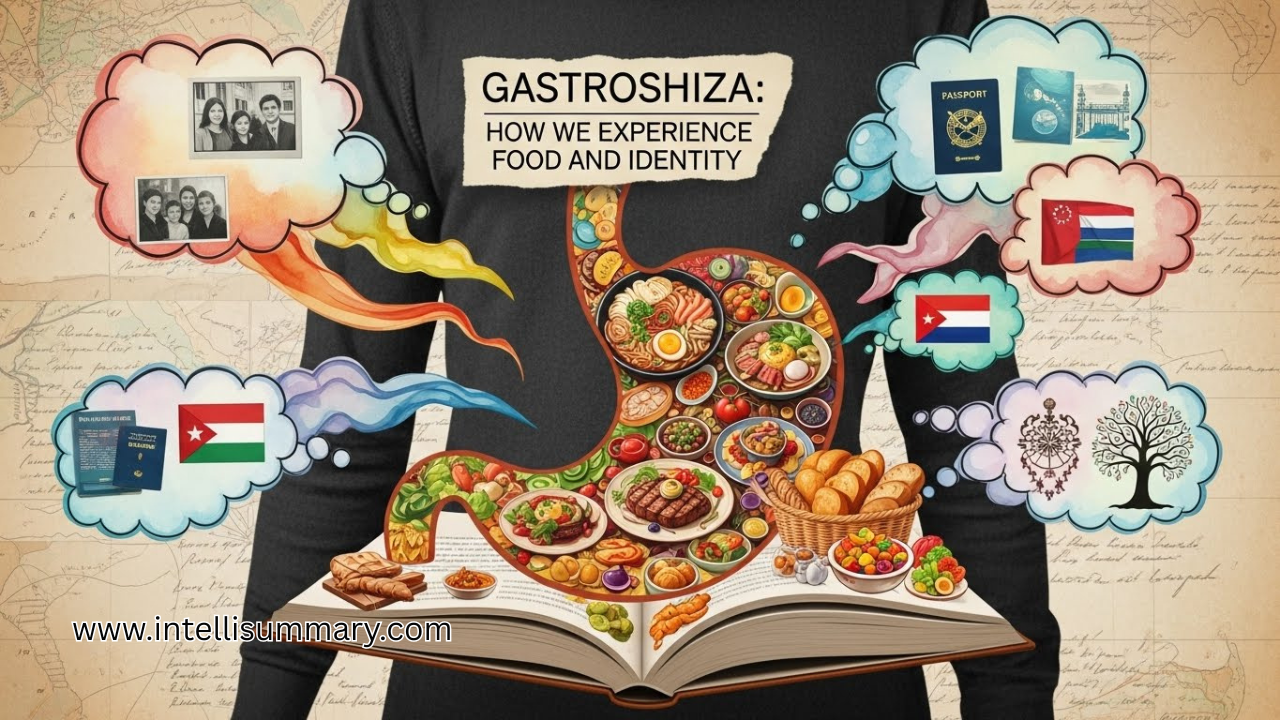
Gastroshiza is more than just a trend; it’s a movement reshaping how we perceive food and our identities. Imagine strolling through vibrant streets filled with the aroma of fusion dishes, each telling its own story. This culinary phenomenon challenges traditional norms, pushing boundaries that have long defined what we eat and how we experience culture.
As globalization brings diverse flavors to our plate, Gastroshiza emerges as a celebration of eclectic tastes. It urges us to embrace not only what we consume but also who we are in relation to those meals. The intersection of food and identity has never been more exciting or complex. With every bite taken in this brave new world, diners find themselves navigating cultural narratives and personal histories intertwined on their plates.
Join us on this flavorful journey as we delve deeper into the essence of Gastroshiza—where taste meets tradition in unexpected ways!
The Intersection of Food and Identity
Food is more than sustenance. It shapes who we are and how we connect with others. Every dish carries history, culture, and personal stories.
Take a bite of a traditional meal, and you might taste the heritage of generations. The flavors evoke memories that link us to our roots. What happens when those culinary traditions meet modern creativity? That’s where gastroshiza comes in—an exciting fusion of identities through food.
This movement encourages exploration beyond borders. Ingredients once considered exotic become familiar friends on our plates. Food transforms into a canvas for expression, reflecting individual journeys while honoring collective pasts.
Restaurants embracing this philosophy often celebrate diversity in their menus. Diners experience an array of cultures without leaving their hometowns. Each meal tells its own story, forging connections between people from different walks of life through shared experiences over food.
How Gastroshiza Challenges Traditional Food Culture
Gastroshiza disrupts conventional food culture by introducing a new lens through which we view cuisine. It embraces creativity over tradition, breaking down barriers that have long restricted culinary expression.
This movement encourages experimentation. Chefs are no longer confined to established recipes or regional norms. Instead, they blend influences, creating dishes that reflect diverse backgrounds and contemporary tastes.
Moreover, Gastroshiza invites diners to explore beyond the plate. The experience becomes a narrative of identity and belonging. Each meal tells a story shaped by multiple cultures and personal experiences.
By prioritizing innovation over adherence to historical practices, Gastroshiza challenges the status quo in food appreciation. It dares diners to question their assumptions about what defines authentic cuisine while celebrating diversity on every table.
Case Studies: Successful Gastroshiza Restaurants
One notable example of a successful gastroshiza restaurant is “Fused Flavors” in New York City. This spot merges classic Italian dishes with modern Asian influences, creating unique offerings like sushi risotto. Diners are often taken aback by the unexpected combinations that challenge their culinary preconceptions.
Across the Atlantic, “Taste Evolution” in London showcases how traditional British comfort food can be reimagined. Their “fish and chips” features tempura-fried cod served with wasabi-infused tartar sauce. Patrons rave about this daring twist on a beloved classic.
In Sydney, “Culture Bites” embraces local Australian ingredients while exploring global cuisines. The menu includes kangaroo tacos topped with kimchi—a fusion that reflects both identity and innovation. Each dish tells a story of cultural blend that draws customers from all walks of life.
These restaurants exemplify the diverse expressions of gastroshiza, illustrating how inventive menus can redefine dining experiences for adventurous eaters everywhere.
The Impact of Social Media on Gastroshiza
Social media has transformed the way we connect with food. For Gastroshiza, platforms like Instagram and TikTok serve as powerful tools for expression.
Visual storytelling allows chefs to showcase their culinary creativity. A vibrant plate garnished with unconventional ingredients can capture attention instantly. The aesthetic appeal of dishes often drives engagement, sparking conversations about identity and culture.
Hashtags play a critical role in this phenomenon. They create communities around shared experiences, allowing people to discover new trends within Gastroshiza. Users actively seek out unique dining experiences that reflect their personal journeys.
Moreover, social media enables instant feedback from diners. Reviews and comments help shape the evolution of restaurant concepts. This real-time interaction fosters a dynamic relationship between consumers and creators.
As more individuals share their Gastroshiza adventures online, they contribute to an ever-expanding narrative about food’s role in shaping who we are today.
Ethical Considerations of Gastroshiza
Gastroshiza raises important ethical questions that deserve attention. As culinary boundaries blur, we must consider the cultural implications of this movement. The fusion of diverse food traditions can sometimes overshadow their rich histories.
Moreover, ingredient sourcing is critical in the gastroshiza realm. Are restaurants prioritizing sustainability? It’s vital for establishments to support local farmers and suppliers while minimizing environmental harm.
Then there’s the issue of accessibility. Gastroshiza often targets niche markets, potentially alienating those who can’t afford unique dining experiences. A more inclusive approach could help bridge gaps between different socio-economic groups.
There’s a fine line between creativity and appropriation. Chefs should navigate these waters carefully, ensuring they honor original cuisines rather than exploit them for profit or trendiness. This delicate balance is essential to fostering respect within our evolving food landscape.
Conclusion
Gastroshiza represents a fascinating evolution in our relationship with food and identity. It challenges us to rethink traditional notions of cuisine, allowing for a more inclusive and expansive understanding of what it means to eat and belong.
As we embrace the unique offerings of Gastroshiza, we also cultivate a deeper connection with others. Food becomes not just sustenance but a medium through which stories are shared, cultures are celebrated, and identities are expressed. This movement urges us to step outside our comfort zones—experimenting with flavors that resonate on both personal and communal levels.
The rise of Gastroshiza is intertwined with technological advancements as social media amplifies new culinary experiences. Platforms like Instagram or TikTok create spaces where innovative dishes gain visibility, inviting diverse audiences into this evolving narrative around food culture.
Ethical considerations remain central to discussions about Gastroshiza too. As diners navigate issues surrounding sustainability and cultural appropriation, they become active participants in shaping this new landscape—one that promotes respect while encouraging creativity.
Embracing Gastroshiza signifies more than just trying out trendy eateries; it’s about recognizing the potential within every dish to tell a story—a story that may enrich our sense of self while fostering connections across different backgrounds. The future looks bright as this culinary revolution continues its journey toward redefining how we experience food in relation to who we are.