
 By Alex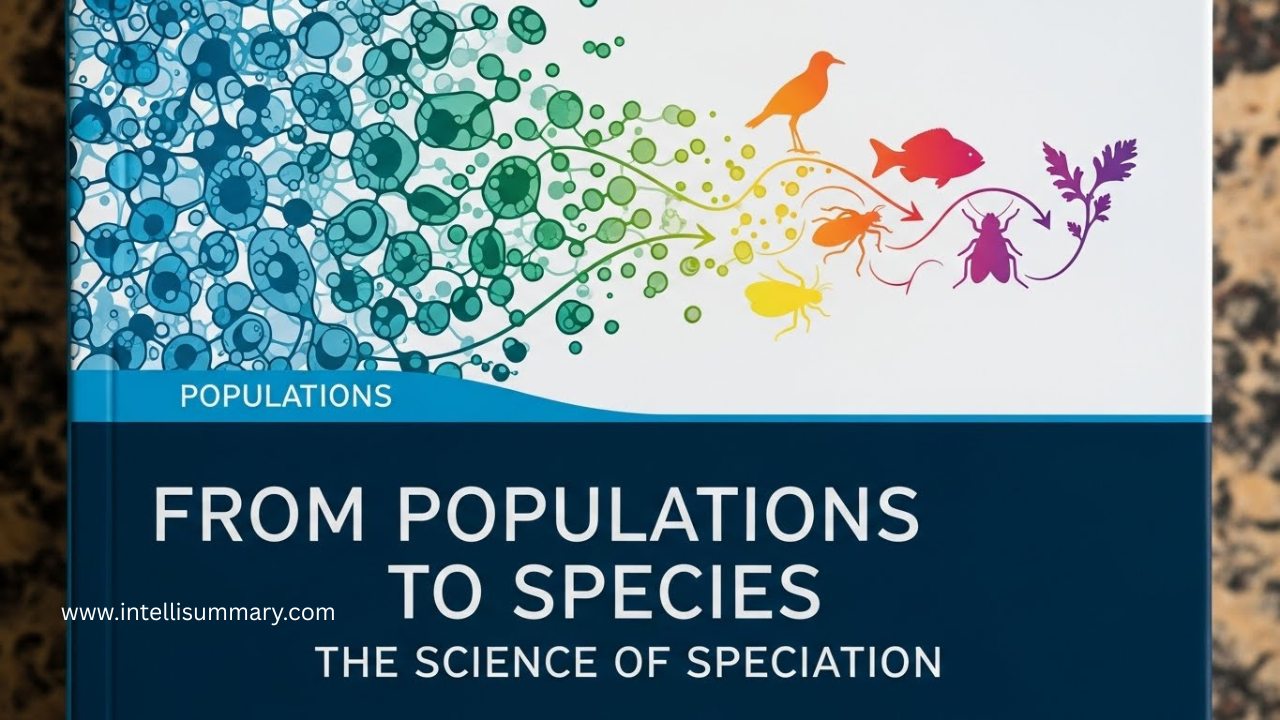
Imagine a world bursting with life, where every creature plays its part in the grand tapestry of nature. Yet, have you ever wondered how all this diversity came to be? The answer lies in a fascinating process called speciering. This intricate dance of evolution shapes our understanding of populations and species, revealing the dynamic forces at play behind every living organism. From tiny microorganisms to majestic mammals, speciering is at the heart of biological change. Join us as we explore this captivating journey from populations to distinct species, unraveling the complex mechanisms that drive life’s variety on our planet.
Understanding Populations and Species
At the core of biology lies the concept of populations and species. A population refers to a group of individuals from the same species that live in a specific area. These organisms interact with each other, competing for resources and mating opportunities.
Species, on the other hand, are defined as groups capable of interbreeding and producing viable offspring. This definition emphasizes not just physical similarities but also genetic compatibility.
Understanding these terms is crucial when studying biodiversity. Populations can change over time due to environmental pressures or genetic variations, leading to unique adaptations.
Each species carries its own history shaped by both internal dynamics and external influences. The interplay between populations within their environments sets the stage for speciering—a process that highlights nature’s ability to innovate continuously through evolution.
The Importance of Speciering in Evolutionary Biology
Speciering is a cornerstone of evolutionary biology. It explains how new species emerge from existing populations, shaping the biodiversity we see today. Understanding this process helps scientists decipher the complex relationships among organisms.
By studying speciation, researchers unlock clues about adaptation and survival in changing environments. Each new species represents a unique solution to ecological challenges faced over time.
This dynamic process also illustrates the impact of genetic variation on evolution. Through speciation, traits that enhance survival can become prevalent within specific populations while others fade away.
Furthermore, investigating speciering broadens our perspective on conservation efforts. Recognizing how and why species diversify aids in protecting ecosystems under threat from human activity or climate change.
The intricate dance of life continues as speciating populations respond to pressures around them, ultimately enriching our planet’s biological tapestry.
Speciation Processes: Divergence and Isolation
Speciation is a fascinating process that unfolds in the natural world. At its core, it involves divergence and isolation, two vital mechanisms driving the emergence of new species.
Divergence occurs when populations of a single species begin to accumulate differences over time. This can happen due to various factors, such as mutations or changes in behavior. As these groups adapt to their respective environments, they start developing distinct traits.
Isolation plays an equally crucial role. Geographic barriers like mountains or rivers can physically separate populations. In contrast, reproductive isolation happens when mating behaviors shift or timing changes between groups. Both types of isolation prevent gene flow and allow for divergent evolution.
Together, these processes create a rich tapestry of biodiversity—a constant reminder of nature’s ingenuity and adaptability through speciering.
The Role of Natural Selection in Speciation
Natural selection plays a pivotal role in the process of speciation. It acts as a driving force that shapes the genetic diversity within populations. When individuals with favorable traits reproduce, these advantageous characteristics are passed down through generations.
In different environments, selective pressures can vary significantly. This leads to adaptations that cater specifically to local conditions, fostering divergence among populations. Over time, these adaptations can lead to reproductive isolation—an essential step in forming new species.
Consider Darwin’s finches on the Galápagos Islands. Each island has its unique environmental challenges and food sources, prompting natural selection to sculpt distinct beak shapes among finch populations. As they adapted to their surroundings, they became increasingly specialized and isolated from one another.
These processes illustrate how natural selection not only influences individual survival but also drives the formation of entirely new species over time.
Examples of Speciation in Action
One of the most fascinating examples of speciering occurs with Darwin’s finches in the Galápagos Islands. These birds evolved distinct beak shapes and sizes based on their feeding habits. Over generations, they adapted to different food sources, leading to a remarkable variety within just one lineage.
Another striking case can be seen in cichlid fish in African lakes. With hundreds of species coexisting, these colorful fish demonstrate rapid speciation driven by ecological niches. Each species occupies specific habitats or dietary preferences, showcasing nature’s creativity.
On land, consider the apple maggot fly. Originally feeding on hawthorn berries, some populations switched to apples when they were introduced to North America. This shift led to reproductive isolation and eventually resulted in two separate species emerging from a single ancestor.
These real-world instances highlight how speciering is an ongoing process fueled by environmental changes and behavioral adaptations.
The Future of Species: Environmental Factors and Human Influence
As we look ahead, the future of species hangs in a delicate balance. Environmental factors play a crucial role in shaping biodiversity. Climate change alters habitats, pushing some populations to adapt while leaving others vulnerable.
Human influence exacerbates these challenges. Urbanization fragments ecosystems and disrupts migration patterns. Pollution introduces chemicals that can harm reproductive processes and survival rates.
Conversely, humans also have the power to protect endangered species through conservation efforts. Restoration projects can revive habitats and promote gene flow between isolated populations.
Yet, with each passing day, our actions determine which paths species will take. The choices we make now could either facilitate speciation or lead to increased extinction rates.
Understanding this intricate relationship is vital for safeguarding our planet’s biological heritage as well as its future inhabitants. The essence of evolution continues; every action creates ripples in the tapestry of life around us.
Conclusion
The concept of speciering opens up a world of possibilities. As we continue to explore the mechanisms behind how populations evolve into distinct species, we gain insights into the complexity and beauty of life on Earth.
Speciating is not just a process confined to biology textbooks; it’s an ongoing phenomenon that shapes our natural world. Each new discovery about speciation deepens our understanding of biodiversity and adaptation in changing environments.
Environmental factors play a crucial role in this dynamic process. Climate change, habitat destruction, and human activity all influence how species diverge or converge over time. As these pressures mount, the future landscape of biodiversity hangs in the balance.
Every organism represents a story—a journey through time marked by changes driven by various forces. Speciering is pivotal to these narratives as it highlights both resilience and vulnerability within ecosystems.
As we engage with nature, let us remain curious about its ever-evolving tapestry. The endless possibilities inherent in speciering invite exploration and inspire conservation efforts aimed at preserving diverse forms of life for generations to come.