
 By Alex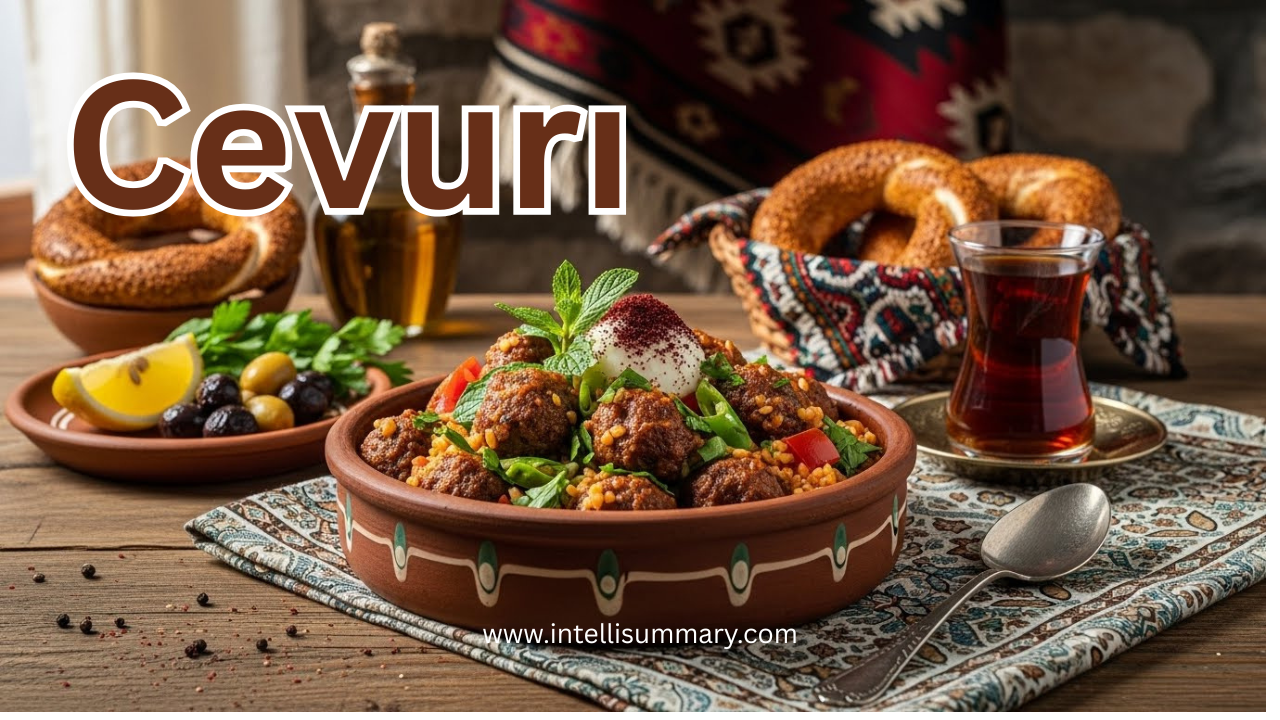
When it comes to Turkish cuisine, many people immediately think of kebabs, baklava, or Turkish tea. Yet, Turkey’s culinary landscape is vast and diverse, filled with lesser-known treasures that carry centuries of tradition. One such gem is Cevurı, a dish that, despite being largely overlooked outside local communities, offers a unique glimpse into Turkey’s rich gastronomic heritage.
What is Cevurı?
Cevurı is a traditional Turkish dish that combines simple ingredients to create an explosion of flavor. Its origins are rooted in rural Turkey, where communities relied on locally sourced ingredients and passed down recipes from generation to generation. While Cevurı may not have the international recognition of more famous Turkish dishes, its authentic taste and historical significance make it a standout in the culinary world.
The dish typically features a combination of fresh vegetables, grains, and sometimes meat, cooked with aromatic spices that are signature to Turkish cooking. The preparation varies from region to region, reflecting local ingredients and culinary traditions. Some versions may include lamb or beef, while vegetarian variants rely on legumes and seasonal vegetables to create a hearty, satisfying meal.
The History Behind Cevurı
Understanding the history of Cevurı provides a deeper appreciation for the dish. Like many traditional foods, it emerged from necessity and resourcefulness. In rural Turkey, families often had to make do with what was available in their environment. Over time, these practical meals evolved into culturally significant dishes, each with its own unique preparation style and flavor profile.
Cevurı is believed to have originated in the Anatolian heartland, a region known for its fertile soil and diverse agricultural output. Historical records and oral traditions suggest that the dish was commonly prepared during seasonal harvests, allowing communities to make use of fresh produce. Its ingredients were carefully selected not only for taste but also for nutrition, providing sustenance for long working days in the fields.
Ingredients That Make Cevurı Special
One of the reasons Cevurı stands out is its use of fresh, high-quality ingredients. Key components often include:
-
Fresh vegetables: Tomatoes, peppers, onions, and eggplants are commonly used, providing both flavor and texture.
-
Grains or legumes: Bulgur, rice, or lentils are often incorporated to make the dish filling and wholesome.
-
Meat (optional): Lamb or beef can be added, enhancing the richness and depth of flavor.
-
Spices: Sumac, paprika, and mint are frequently used, offering the distinctive aromatic profile typical of Turkish cuisine.
-
Olive oil: High-quality Turkish olive oil is often used, giving the dish a subtle, fruity undertone.
The balance of these ingredients, combined with careful cooking techniques, results in a dish that is both comforting and sophisticated.
How Cevurı is Prepared
While the exact recipe may vary, the preparation of Cevurı usually follows a few key steps:
-
Preparation of ingredients: Vegetables are washed, peeled, and chopped, while grains are rinsed and pre-cooked if necessary.
-
Cooking the base: Onions and peppers are sautéed in olive oil until soft and fragrant.
-
Adding main ingredients: Meat, if used, is browned and combined with vegetables and grains.
-
Seasoning: Spices are added carefully to enhance the natural flavors without overpowering them.
-
Simmering: The mixture is cooked slowly, allowing flavors to meld and the dish to reach a hearty consistency.
-
Serving: Cevurı is often served hot, garnished with fresh herbs or a drizzle of olive oil for extra richness.
The slow-cooking process is key to developing the depth of flavor that makes Cevurı memorable. Each bite carries layers of taste that reflect the care and tradition behind the dish.
Cultural Significance of Cevurı
Cevurı is more than just a meal; it is a representation of Turkish culture and family traditions. In many households, preparing Cevurı is a communal activity, bringing together multiple generations. Cooking and sharing this dish reinforces social bonds and preserves culinary heritage.
Additionally, Cevurı is often associated with festive occasions and special gatherings. While it can be enjoyed as a simple, everyday meal, it is also a dish that families prepare to celebrate harvests, holidays, or family reunions. Its presence at the table symbolizes warmth, hospitality, and a connection to the land.
Regional Variations of Cevurı
One of the most fascinating aspects of Cevurı is how it varies across Turkey. Each region adds its own twist, influenced by local produce and culinary customs:
-
Anatolia: Focuses on grains and legumes, often featuring bulgur and lentils.
-
Mediterranean coast: Incorporates fresh seafood or fish, along with Mediterranean herbs like thyme and oregano.
-
Eastern Turkey: Includes more meat and spices, reflecting the hearty preferences of the region.
-
Aegean region: Emphasizes olive oil and vegetables, often served as a lighter, vegetarian-friendly version.
These regional differences highlight the adaptability of Cevurı and its ability to reflect local tastes while maintaining its core identity.
Health Benefits of Cevurı
In addition to its delicious taste, Cevurı offers several health benefits, making it a wholesome choice for any meal:
-
Rich in nutrients: The combination of vegetables, grains, and legumes provides essential vitamins, minerals, and fiber.
-
Protein-packed: Meat and legumes contribute to a high-protein meal, promoting muscle health and satiety.
-
Heart-healthy: The use of olive oil and fresh ingredients supports cardiovascular health.
-
Balanced flavors: Spices and herbs not only enhance taste but also provide antioxidants and anti-inflammatory properties.
Cevurı exemplifies the idea of food as medicine, a principle deeply embedded in Turkish culinary traditions.
How to Enjoy Cevurı Today
Although Cevurı has its roots in traditional Turkish homes, it can be enjoyed in modern settings as well. Many contemporary Turkish restaurants now feature Cevurı on their menus, introducing this hidden gem to a wider audience. It can be served as a main dish or as part of a mezze spread, paired with fresh bread, yogurt, or pickled vegetables.
For those interested in cooking Cevurı at home, sourcing fresh ingredients is key. Visiting local Turkish markets or specialty stores ensures authenticity. Additionally, experimenting with regional variations allows home cooks to explore the diverse flavors of Turkey.
Preserving the Tradition of Cevurı
As globalization spreads and culinary trends evolve, traditional dishes like Cevurı risk being forgotten. Preserving these recipes is crucial, not only for their taste but also for their cultural significance. Family recipes, oral traditions, and community gatherings all play a role in keeping Cevurı alive.
Food enthusiasts and chefs alike are increasingly recognizing the importance of protecting such culinary heritage. By sharing recipes, writing about the dish, and introducing it in restaurants worldwide, Cevurı can gain the recognition it deserves as one of Turkey’s hidden gems.
Conclusion
Cevurı is more than just a meal; it is a testament to the richness and diversity of Turkish cuisine. From its humble origins in rural Anatolia to its presence on modern restaurant menus, this dish carries with it a legacy of flavor, tradition, and culture. Its combination of fresh ingredients, aromatic spices, and careful preparation makes it a culinary experience worth exploring.
For anyone passionate about food, discovering Cevurı is like uncovering a hidden treasure. It reminds us that even in a world full of famous dishes, some of the best flavors are found in the overlooked and the traditional. Embracing Cevurı means embracing Turkey’s rich history, family traditions, and the timeless joy of sharing a meal made with care.