
 By Alex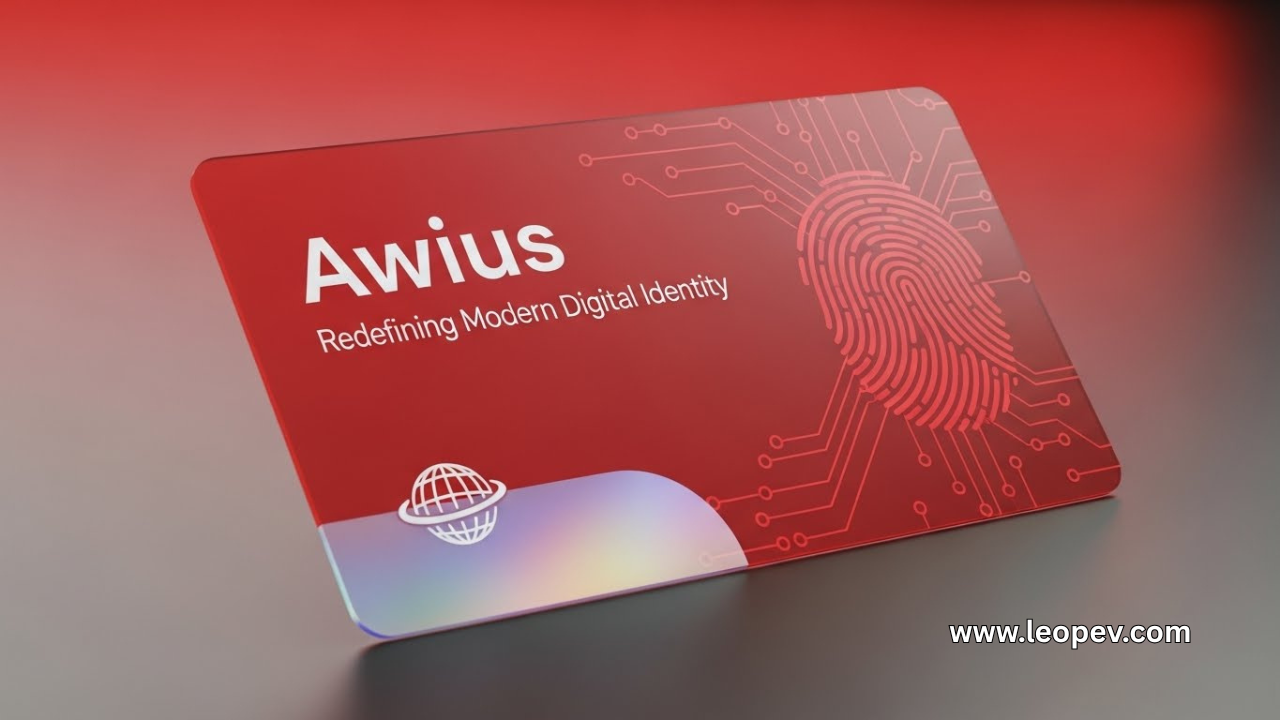
In today’s digital landscape, our identities are more than just names or email addresses; they encompass a wealth of personal data that shapes who we are online. Enter Awius, an innovative platform aiming to redefine modern digital identity. With the rise of cyber threats and privacy concerns, the need for secure and efficient identity management has never been more pressing. Awius emerges as a beacon of hope in this chaotic environment, promising not only to enhance security but also to empower users with control over their own information. Let’s explore how Awius is transforming the way we perceive and manage our identities in this fast-paced digital world.
The Evolution of Digital Identity
Digital identity has come a long way since the early days of the internet. Initially, users relied on simple usernames and passwords to navigate online spaces. These basic credentials were often insecure, leading to widespread data breaches.
As technology advanced, so did the tools for managing digital identities. We saw the rise of social media platforms where profiles became a crucial part of personal branding. Users curated their online presence while businesses leveraged this information for targeted marketing.
However, these centralized systems presented new challenges—privacy concerns and data ownership issues surfaced as significant problems. It became clear that individuals needed more control over their digital footprints.
The introduction of blockchain technology marked another pivotal shift. Decentralized solutions began emerging, promising greater security and autonomy in how we manage our identities online. This evolution set the stage for innovative approaches like Awius, aiming to redefine what it means to have a secure digital identity today.
The Problems with Traditional Digital Identity Systems
Traditional digital identity systems often rely heavily on centralized databases. This creates a single point of failure, making them vulnerable to hacks and data breaches. When one system is compromised, countless identities can be exposed.
Moreover, these systems frequently lack user control. Individuals have limited ability to manage their own information, leading to privacy concerns. Users are left in the dark about how their data is being used or shared.
Inefficiencies plague traditional methods as well. Verifying identities across various platforms can be cumbersome and time-consuming for users and businesses alike. This friction results in lost opportunities and frustrated customers.
Additionally, many existing frameworks do not account for inclusivity. Underrepresented groups may find it challenging to access services due to rigid identification requirements that fail to recognize diverse backgrounds or circumstances.
The reliance on outdated technology limits innovation while creating barriers that hinder seamless interactions online.
How Awius is Changing the Game
Awius is revolutionizing the digital identity landscape with its innovative approach. Unlike traditional systems, it emphasizes user control and security. By leveraging cutting-edge technology, Awius creates a self-sovereign identity model.
This empowers individuals to manage their own data without relying on centralized authorities. Users can share only what they choose, making privacy a priority in an increasingly interconnected world.
Moreover, Awius integrates seamlessly across various platforms. This flexibility streamlines access while enhancing trust between users and service providers. The ease of authentication reduces friction in online interactions.
Businesses also benefit from Awius’s advanced features. Enhanced verification processes reduce fraud risks and improve customer experiences. With robust analytics tools embedded within the system, organizations gain deeper insights into user behavior.
Awius fosters a more secure digital environment for everyone involved—individuals and businesses alike thrive under this new paradigm.
Features and Benefits of Awius
Awius offers a range of innovative features designed to enhance digital identity management. Its decentralized framework empowers users, giving them control over their personal data. This is a significant shift from traditional models that often leave individuals vulnerable.
Privacy is at the core of Awius. Users can choose what information to share and with whom, reducing the chances of data breaches. Enhanced security measures ensure that sensitive details remain protected against unauthorized access.
The platform’s user-friendly interface simplifies navigation for everyone, regardless of technical expertise. From verification processes to seamless integration with existing systems, Awius prioritizes accessibility.
Additionally, its scalability makes it suitable for businesses of all sizes. Organizations can benefit from streamlined onboarding processes and improved customer trust due to enhanced privacy protection.
By adopting Awius, users not only safeguard their digital identities but also embrace a future where control and transparency are paramount.
Real-Life Examples of Awius in Action
Awius has already begun transforming the landscape of digital identity in various sectors. For instance, a major healthcare provider recently integrated Awius to streamline patient verifications. This has reduced wait times significantly and enhanced security when accessing sensitive medical records.
In another scenario, an e-commerce platform adopted Awius for customer onboarding. By utilizing this innovative system, they’ve improved user experience while minimizing fraudulent activities during account creation.
Financial institutions are also reaping benefits. One bank implemented Awius for KYC (Know Your Customer) compliance, making the process faster and more secure than traditional methods.
These examples showcase how Awius is not just a theoretical concept; it’s actively reshaping industries by providing efficient solutions to age-old problems associated with digital identities.
Potential Impact on Society and Businesses
Awius has the potential to reshape how we engage with our digital lives. By providing individuals with control over their online identities, it fosters a sense of empowerment and trust.
Businesses can benefit significantly from this transformation. Enhanced security can lead to reduced fraud and data breaches, saving valuable resources in recovery efforts. A stronger identity verification process means smoother transactions for both consumers and companies.
Moreover, Awius encourages innovation. With secure identities in place, businesses can confidently explore new technologies without the fear of compromising user data.
The collaboration between users and organizations will foster transparency. This shift could pave the way for more ethical marketing practices as consumers become more aware of how their data is used.
In society at large, fostering digital literacy becomes essential. As people gain familiarity with managing their identities, they may feel more inclined to participate actively in digital spaces.
Challenges and Criticisms of Awius
Awius, while innovative, faces several challenges and criticisms. One significant concern is data privacy. Users may worry about how their information is stored and managed on the platform.
Another challenge lies in user adoption. Transitioning from traditional digital identity systems to Awius requires a mindset shift for many individuals and organizations. This change can be daunting, leading to resistance.
Technical hurdles also exist. Building a robust infrastructure that ensures security against hacking and fraud is essential but complex. Any breach could undermine trust in Awius.
Additionally, regulatory frameworks surrounding digital identities are still evolving. Navigating compliance with various laws can present obstacles for Awius as it expands globally.
There’s skepticism regarding the effectiveness of decentralized models compared to centralized systems. Critics question whether Awius can deliver the promised benefits without introducing new vulnerabilities or inefficiencies.
Conclusion
The future of digital identity is rapidly evolving, and Awius stands at the forefront of this transformation. By addressing the shortcomings of traditional systems, it offers a fresh perspective on how we manage our identities online. As individuals increasingly seek control over their personal information, Awius provides a user-centric solution that prioritizes privacy and security.
The benefits are clear—greater accessibility for users and enhanced trust in digital interactions. With its innovative approach, Awius not only enhances user experience but also fosters confidence among businesses reliant on accurate identity verification.
Looking ahead, the potential impact on society cannot be overstated. As more organizations adopt decentralized identity solutions like Awius, we may witness a shift towards more equitable access to services across various sectors.
While challenges remain—such as regulatory hurdles or technological adoption—the path forward appears promising. The discourse surrounding digital identity is changing, inviting new opportunities for innovation and collaboration. This evolution will likely shape how individuals interact with technology in profound ways.
Awius is poised to lead this charge into a new era where digital identities are secure yet flexible enough to adapt to future demands. The journey has just begun; it will be exciting to see how it unfolds.