
 By Alex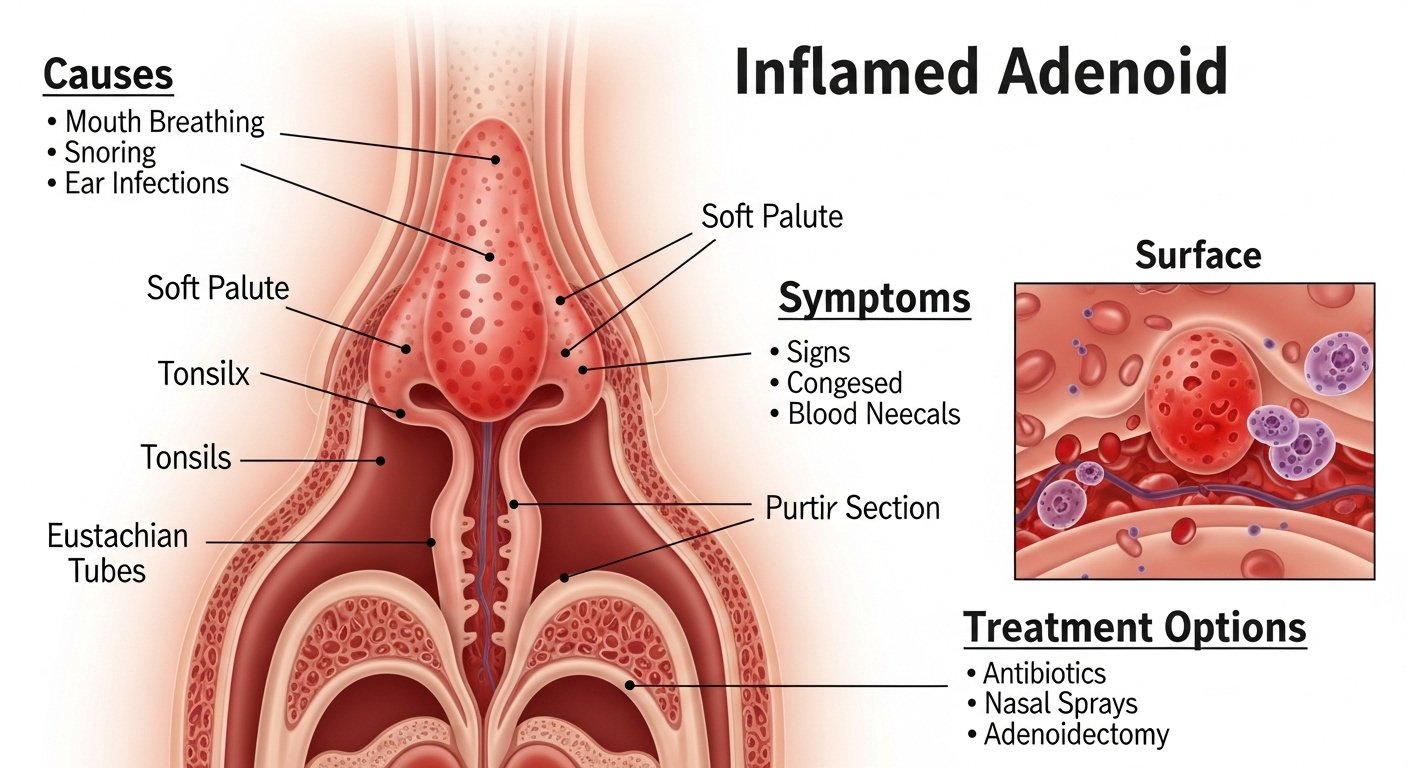
Adenoidid, or adenoid inflammation, is a condition that often flies under the radar. Many people don’t fully understand what it entails until they experience its effects firsthand. Nestled at the back of your nasal cavity, the adenoids play a crucial role in immune function during childhood. However, when they become swollen or infected—commonly known as adenoiditis—it can lead to various complications.
This blog post aims to shed light on everything you need to know about adenoidid: from its causes and symptoms to effective treatment options that can help alleviate discomfort. Whether you’re navigating this for yourself or seeking answers for your child, understanding adenoiditis is vital for promoting better health outcomes. Let’s dive deeper into this intriguing topic!
Causes of Adenoiditis
Adenoiditis is primarily triggered by infections, often viral or bacterial. Common culprits include the flu virus, common cold viruses, and streptococcus bacteria. These invaders can provoke inflammation in the adenoids.
Allergies also play a significant role. Seasonal allergies to pollen, dust mites, or pet dander may lead to swelling of the adenoids as they react to irritants in the environment. This chronic irritation can pave the way for further complications.
Children are particularly susceptible due to their developing immune systems. Their bodies frequently encounter new pathogens which may cause repeated bouts of adenoiditis.
In some cases, anatomical issues contribute too. Enlarged adenoids from past infections can remain swollen over time, making them more prone to infection down the line. Identifying these causes is crucial for effective management and treatment strategies.
Symptoms of Adenoiditis
Adenoiditis often presents a range of symptoms that can vary in intensity. One of the most common signs is nasal congestion. This can lead to difficulty breathing through the nose, particularly during sleep.
Patients may also experience persistent mouth breathing. This occurs when swollen adenoids obstruct normal airflow. As a result, snoring or restless nights are frequent complaints.
Another notable symptom includes recurrent ear infections. Swollen adenoids can block Eustachian tubes, leading to fluid buildup and discomfort.
Additionally, children with adenoiditis might have a chronic cough or sore throat. These issues often stem from post-nasal drip caused by mucus accumulation.
It’s not uncommon for individuals to feel lethargic due to disrupted sleep patterns and overall discomfort from these symptoms. Recognizing these signs early on is crucial for effective management and treatment options.
Diagnosis and Treatment Options
Diagnosing adenoiditis typically starts with a physical examination by a healthcare provider. They may look for signs of swelling or infection in the throat and nasal passages. Imaging tests, such as X-rays, can also help visualize the size of the adenoids.
Treatment options vary based on severity. Mild cases might require over-the-counter pain relievers and saline nasal sprays to alleviate symptoms. In more severe instances, antibiotics could be prescribed if a bacterial infection is suspected.
When conservative measures fail, surgical removal of the adenoids may be necessary. This procedure, known as an adenoidectomy, is often performed alongside tonsillectomy for those facing recurrent infections.
Post-surgery care includes rest and hydration to promote healing while minimizing complications. Regular follow-ups ensure that recovery stays on track and any lingering issues are addressed promptly.
Natural Remedies for Adenoiditis
Natural remedies can offer relief for adenoiditis, promoting comfort and healing without harsh medications. One effective approach is using saline nasal rinses. This helps clear mucus and reduces inflammation in the nasal passages.
Herbal teas, such as chamomile or peppermint, possess soothing properties. Sipping these warm brews can alleviate throat discomfort while aiding relaxation.
Steam inhalation is another simple yet powerful remedy. Breathing in steam from hot water opens up airways and eases congestion.
Honey has natural antibacterial qualities. Taking a spoonful daily may help soothe irritation and bolster immunity against infections.
Maintaining hydration is essential. Drinking plenty of fluids keeps mucus thin and easier to expel, promoting overall respiratory health. Integrating these natural options into your routine could enhance recovery from adenoiditis symptoms effectively.
Lifestyle Changes to Prevent Adenoiditis
Making simple lifestyle changes can significantly reduce the risk of adenoiditis. A balanced diet is essential. Incorporate plenty of fruits, vegetables, and whole grains to boost overall immunity.
Regular physical activity also plays a critical role. Engaging in outdoor play not only strengthens the immune system but also promotes better respiratory health.
Maintaining good hygiene practices is equally important. Teach children to wash their hands frequently and cover their mouths when coughing or sneezing to minimize germ exposure.
Limiting exposure to allergens can further help prevent inflammation in the adenoids. Keep indoor spaces clean by using air purifiers and reducing dust accumulation.
Ensuring adequate sleep for both children and adults aids recovery from infections while enhancing immune response against pathogens that may lead to adenoiditis.
Conclusion
Adenoidid, or adenoid inflammation, is a common issue that affects many individuals, particularly children. Understanding the causes and symptoms can aid in early detection and effective management. With various treatment options available—from medical interventions to lifestyle changes—finding the right approach for you or your child is essential.
Natural remedies can also play a supportive role in alleviating symptoms. Incorporating these alongside proper medical guidance could enhance overall recovery. Furthermore, implementing lifestyle adjustments may help prevent future occurrences of adenoiditis.
By staying informed about this condition and actively seeking solutions, you empower yourself to better navigate its challenges and improve health outcomes. Whether through professional care or home-based strategies, addressing adenoid issues promptly leads to enhanced well-being for those affected.