
 By Alex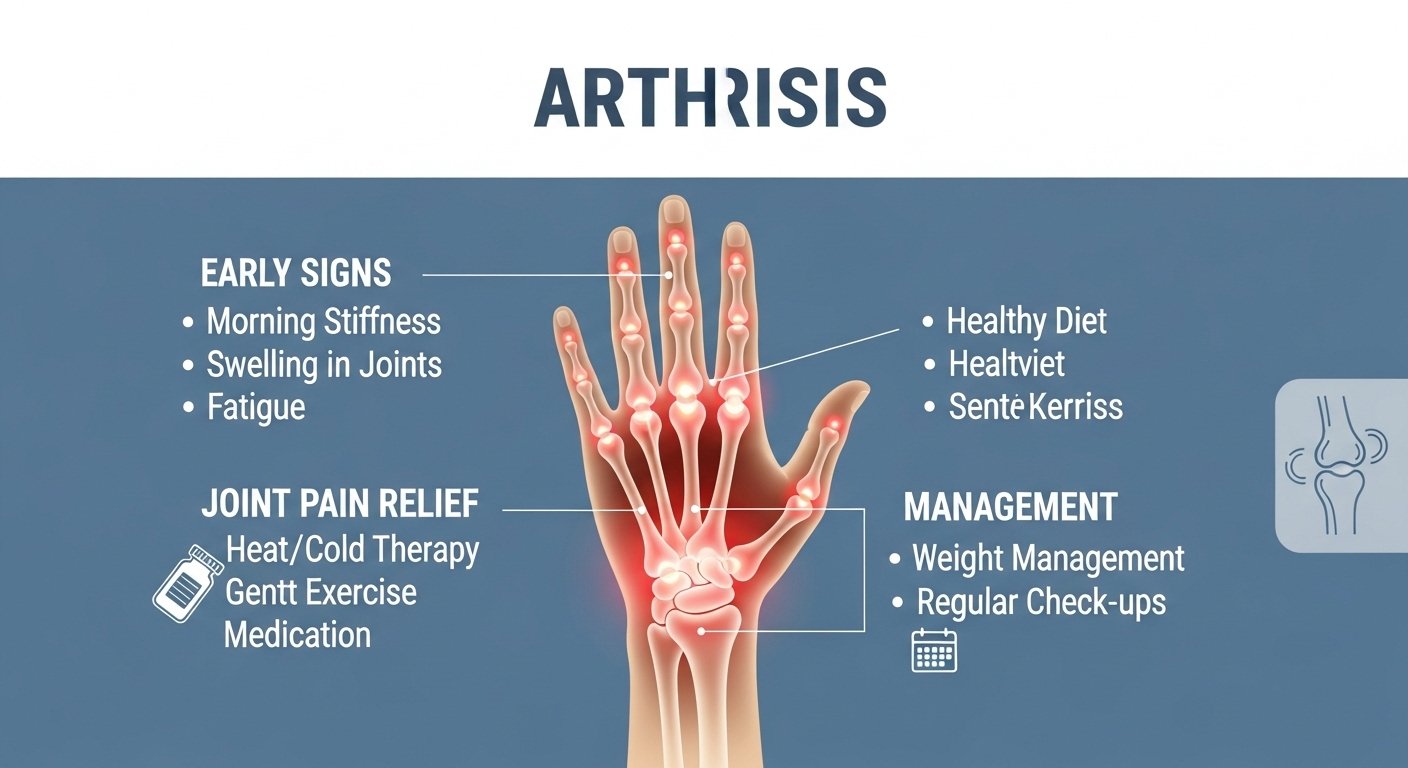
Are you experiencing joint pain that seems to come out of nowhere? You might be dealing with attrities, a condition that affects millions globally. Often overlooked, this condition can significantly impact your daily life and overall well-being. Understanding the nuances of attrities is crucial for early intervention and effective management. Whether you’re looking for relief or simply want to learn more about it, you’re in the right place. Let’s dive into what attrities is all about, its causes, and how you can take control of your health!
What are Attrities and its Causes?
Attrities is a term often used to describe inflammation of the joints. This condition results in pain, swelling, and stiffness, making everyday activities challenging.
The primary cause of attrities is an autoimmune response where the body mistakenly attacks its joint tissues. This can lead to chronic inflammation and damage over time. Genetic predisposition also plays a role; if your family has a history of joint issues, you might be at increased risk.
Other factors contributing to attrities include age, as wear and tear on joints naturally occurs over time. Environmental triggers such as infections or injuries may also initiate symptoms in susceptible individuals.
Lifestyle choices like poor diet and lack of physical activity can exacerbate the condition too. Understanding these causes can help you take proactive steps toward management and relief.
Early Signs and Symptoms of Attrities
Early signs of attrities can be subtle, often creeping up on individuals without warning. One common indicator is joint stiffness, particularly noticeable in the morning or after periods of inactivity. This stiffness can make it difficult to move freely.
Pain is another hallmark symptom. Initially mild, this discomfort may intensify with activity or as the day progresses. It might feel like a dull ache, but over time, it could become sharper and more persistent.
Swelling around affected joints can also occur. This inflammation not only signals underlying issues but may lead to reduced mobility if left unaddressed.
Fatigue often accompanies these physical symptoms too. Many people find themselves feeling unusually tired despite getting enough rest.
Recognizing these early signs allows individuals to seek help sooner rather than later and explore appropriate management strategies for relief.
Risk Factors for Developing Attrities
Several factors can increase the likelihood of developing attrities. Age stands out as a significant contributor. As people grow older, joints naturally wear down, making them more susceptible to inflammation.
Gender also plays a role. Women are statistically more prone to various types of attrities compared to men, especially after menopause due to hormonal changes that affect joint health.
Genetics cannot be overlooked either. A family history of autoimmune diseases often raises an individual’s risk. If your relatives have experienced similar conditions, you might want to pay attention.
Lifestyle choices contribute significantly as well. Obesity places extra strain on joints, particularly weight-bearing ones like hips and knees. Additionally, sedentary habits may lead to poor joint function over time.
Certain occupations expose individuals to repetitive stress or injury in the joints. These work environments can heighten the chance of developing this painful condition later in life.
How to Manage and Relieve Joint Pain Associated with Attrities
Managing joint pain related to attrities requires a multi-faceted approach. Start by incorporating gentle exercises into your routine. Activities like swimming or cycling can help maintain mobility without stressing your joints.
Consider physical therapy as well. A trained therapist can design personalized programs that strengthen the muscles around affected joints, offering better support and stability.
Over-the-counter medications may provide temporary relief from inflammation and discomfort. Nonsteroidal anti-inflammatory drugs (NSAIDs) are popular choices for many individuals experiencing acute pain.
Applying heat or cold packs can also be effective. Heat helps relax stiff muscles, while cold reduces swelling and numbs sharp pains.
Diet plays a crucial role too. Adding foods rich in omega-3 fatty acids, like fish and flaxseeds, can combat inflammation naturally.
Staying hydrated is essential for joint health; proper hydration keeps cartilage lubricated and functioning optimally.
Natural Remedies for Attrities Relief
Natural remedies can provide gentle relief for those dealing with attrities. One popular option is turmeric, known for its anti-inflammatory properties. Adding it to meals or consuming it as a supplement might help reduce joint pain.
Another effective remedy is ginger, which also boasts anti-inflammatory benefits. Drinking ginger tea or incorporating fresh ginger into your diet could aid in managing discomfort.
Physical activity plays a crucial role too. Gentle exercises like yoga and swimming keep joints flexible without putting too much strain on them. These activities promote circulation and support overall joint health.
Mindfulness practices such as meditation can assist in coping with chronic pain by promoting relaxation and reducing stress levels, further easing the burden of attrities symptoms.
Maintaining a balanced diet rich in omega-3 fatty acids may be beneficial. Foods like salmon, walnuts, and flaxseeds contribute to reduced inflammation throughout the body.
Alternative Treatment Options for Attrities
Exploring alternative treatment options for attrities can provide relief for those seeking more natural pathways. Acupuncture stands out as a popular choice, utilizing fine needles to stimulate specific points in the body, potentially easing joint pain.
Chiropractic care is another avenue worth considering. By focusing on spinal alignment and overall musculoskeletal health, many individuals find improved mobility and less discomfort through regular adjustments.
Yoga and tai chi offer gentle movement practices that emphasize flexibility and balance. These mindful exercises not only strengthen muscles but may also reduce stress levels associated with chronic pain conditions.
Herbal supplements like turmeric or ginger are gaining attention for their anti-inflammatory properties. Many people incorporate them into their routines to help manage symptoms naturally.
Meditation can play an integral role in managing the emotional aspects of living with attrities. Practicing mindfulness helps cultivate a sense of calm amidst the challenges posed by this condition.
Conclusion
Understanding attrities is crucial for anyone experiencing joint discomfort. With a clearer grasp on its causes and early signs, you can take proactive steps toward management and relief. Recognizing risk factors empowers you to make informed lifestyle choices that may reduce your chances of developing this condition.
When it comes to managing the pain associated with attrities, various strategies exist—from traditional medications to natural remedies and alternative treatments. Exploring these options allows individuals to tailor their approach based on personal preferences and specific health circumstances.
Prioritizing self-care through exercise, a balanced diet, and stress-reduction techniques can significantly contribute to better joint health. Seeking professional guidance ensures you’re following an effective plan tailored just for you.
Taking charge of your wellness journey regarding attrities leads not only to improved physical comfort but also enhances overall quality of life. Embracing knowledge about the condition paves the way for more empowered decision-making in daily routines, ultimately fostering resilience against future challenges related to joint health.