
 By Alex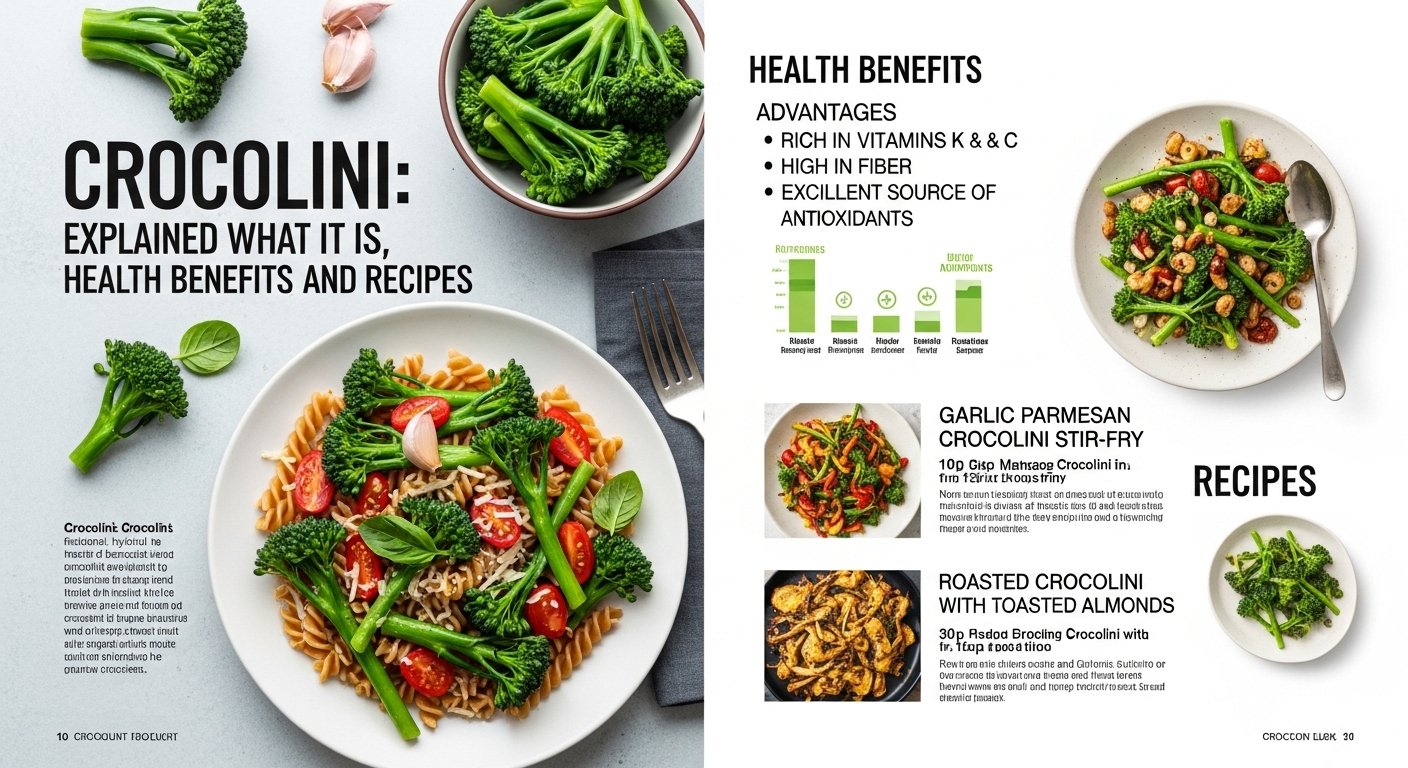
Crocolini is a modern green vegetable that has been gaining popularity among health-conscious eaters, chefs, and home cooks alike. With its tender texture, mild sweetness, and impressive nutritional profile, crocolini is often described as a gourmet upgrade to traditional greens. In this in-depth guide, you’ll discover exactly what is where it comes from, its health benefits, how it compares to similar vegetables, and delicious ways to cook it at home.
This complete article is written for clarity, readability, and strong SEO performance, making it ideal for anyone searching to understand from every angle.
What Is Crocolini?
Crocolini is a hybrid green vegetable closely related to broccoli and broccolini. It features long, slender stems and small florets, combined with soft, edible leaves. Unlike traditional broccoli is known for its tender bite and slightly sweet, delicate flavor.
It is often grown using selective hybridization techniques to enhance taste, texture, and cooking versatility can be eaten whole, from stem to floret, making it a convenient and low-waste vegetable for everyday meals.
Origin and Background of Crocolini
Crocolini was developed to meet the demand for vegetables that are both nutritious and easy to prepare. As modern diets shifted toward fresh, plant-based foods, growers focused on creating greens that cook quickly while maintaining flavor and nutrients.
Inspired by Mediterranean and Asian cooking styles has become popular in restaurants, health-focused kitchens, and global cuisines. Its ability to absorb flavors makes it ideal for simple sautés, roasting, and stir-fries.
Crocolini vs Broccoli vs Broccolini
Many people wonder how crocolini differs from broccoli or broccolini. While they are related, each has unique characteristics.
Broccoli has thick stalks and dense florets, with a more pronounced earthy flavor. Broccolini is a cross between broccoli and Chinese kale, known for its long stems and mild taste on the other hand, is even more tender, with thinner stems and a subtly sweeter profile.
Crocolini also cooks faster than broccoli and requires minimal trimming, making it especially appealing for quick meals and beginner cooks.
Nutritional Value of Crocolini
Crocolini is packed with essential nutrients that support overall health. It is low in calories but rich in vitamins, minerals, and antioxidants.
Key nutrients found in crocolini include vitamin C, vitamin K, vitamin A, folate, potassium, and dietary fiber. These nutrients contribute to immune support, bone strength, heart health, and digestive balance. Because is typically cooked lightly, it retains more of its nutritional value compared to heavily processed vegetables.
Health Benefits of Crocolini
Supports Immune System Health
Crocolini is rich in vitamin C, a powerful antioxidant that helps strengthen the immune system. Regular consumption may help the body fight infections and reduce inflammation.
Promotes Heart Health
The fiber and potassium in crocolini contribute to healthy blood pressure levels and improved cardiovascular function. Antioxidants found in cruciferous vegetables may also help reduce the risk of heart disease.
Aids Digestion
Crocolini contains natural dietary fiber that supports digestion and gut health. It helps regulate bowel movements and promotes a balanced digestive system.
Supports Bone Strength
Thanks to its vitamin K and calcium content plays a role in maintaining strong bones and supporting proper blood clotting.
May Help with Weight Management
Low in calories and high in nutrients, crocolini is an excellent addition to weight-conscious diets. It provides volume and satisfaction without excess calories.
Antioxidants and Plant Compounds in Crocolini
Like other cruciferous vegetables, crocolini contains natural plant compounds such as glucosinolates. These compounds are studied for their potential role in reducing oxidative stress and supporting long-term health.
When crocolini is lightly cooked or steamed, these beneficial compounds remain active, making it a smart choice for nutrient-focused meals.
How to Select Fresh Crocolini
When shopping for crocolini, look for bright green stems and leaves with firm florets. Avoid bunches with yellowing leaves, limp stems, or dark spots. Fresh should have a crisp texture and a clean, earthy aroma. Organic options are available and often preferred by consumers seeking minimal pesticide exposure.
How to Store Crocolini Properly
To keep crocolini fresh, store it unwashed in a breathable bag in the refrigerator. It typically stays fresh for up to five days.
For best results, wash just before cooking. Excess moisture during storage can reduce its shelf life.
Best Cooking Methods for Crocolini
Crocolini is extremely versatile and works well with many cooking techniques. Its tender structure allows it to cook quickly while maintaining flavor and texture.
Popular cooking methods include sautéing, roasting, steaming, grilling, and stir-frying. Each method brings out different qualities of from caramelized sweetness to vibrant freshness.
Easy Crocolini Recipes for Everyday Meals
Sautéed Crocolini with Garlic
One of the simplest and most popular ways to prepare crocolini is a quick sauté. Heat olive oil in a pan, add sliced garlic, and toss in Cook for a few minutes until tender, then season with salt, pepper, and a squeeze of lemon.
Roasted Crocolini with Olive Oil
Roasting crocolini enhances its natural sweetness. Toss with olive oil, salt, and pepper, then roast in the oven until lightly charred. This method pairs well with roasted meats, fish, or plant-based proteins.
Crocolini Stir-Fry
Crocolini works beautifully in stir-fries. Combine it with soy sauce, ginger, and sesame oil for a quick, flavorful dish. Add tofu, chicken, or shrimp for a complete meal.
Steamed Crocolini with Healthy Sauces
Steaming preserves nutrients and bright color. Serve it with tahini sauce, yogurt-based dressing, or a light vinaigrette for a nutritious side dish.
Crocolini in Global Cuisine
Crocolini is widely used in Mediterranean, Asian, and modern fusion cuisines. It complements pasta dishes, rice bowls, noodles, and grain salads.
Chefs appreciate for its elegant appearance and adaptability, often using it as both a main ingredient and a visually appealing garnish.
Crocolini for Plant-Based and Special Diets
Crocolini fits easily into vegetarian, vegan, gluten-free, and low-carb diets. Its nutrient density makes it especially valuable in plant-based eating plans.
It also works well for meal prep, as it reheats nicely without losing texture when cooked properly.
Environmental Benefits of Crocolini
Because crocolini is often harvested whole and requires minimal processing, it can be a more sustainable vegetable option. Its efficient growth and reduced food waste contribute to environmentally friendly farming practices.
Supporting locally grown also helps reduce transportation emissions and supports regional agriculture.
Common Questions About Crocolini
Many people ask whether crocolini can be eaten raw. While it is edible raw, it is most commonly cooked to enhance flavor and digestibility.
Another frequent question is whether tastes bitter. In general is milder and sweeter than traditional broccoli, especially when cooked properly.
Final Thoughts
Crocolini is more than just a trendy green vegetable. It is a nutrient-rich, versatile, and delicious addition to modern diets. From its impressive health benefits to its ease of preparation, crocolini appeals to both beginners and experienced cooks. Whether you sauté it for a quick dinner, roast it for a flavorful side, or add it to global-inspired recipes, offers a perfect balance of taste, nutrition, and convenience. If you’re looking to upgrade your meals with a healthy and elegant vegetable is a smart and satisfying choice.