
 By Alex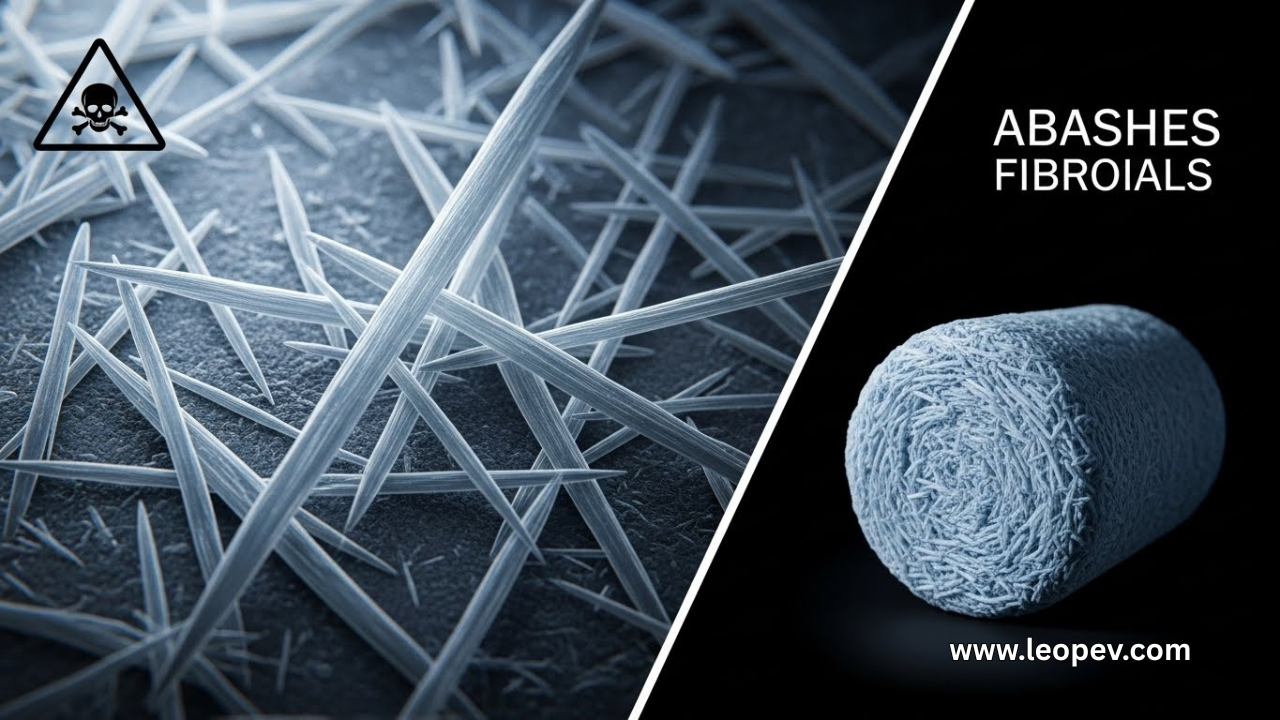
Asbestlint, or asbestos tape, is a term that often sparks concern among homeowners and builders alike. This seemingly innocuous material has a complicated history intertwined with construction and insulation practices. Understanding what asbestlint really is—and the potential risks it carries—can be crucial for maintaining safety in your home or workplace.
In the past, asbestos was hailed for its fire-resistant properties and durability, making it a popular choice in various building materials. However, recent awareness of its health implications has left many questioning the presence of these fibers in their surroundings. Whether you’re renovating an old property or simply curious about this hazardous substance, it’s essential to grasp the facts about asbestlint.
Join us on this informative journey through the world of asbestos-containing fibrous materials. We’ll explore their uses, associated health risks, how to spot them in your environment, and important guidelines for safe management. Stick around; there’s much to uncover!
What is Asbestos and How was it Used?
Asbestos is a naturally occurring mineral composed of thin, fibrous crystals. Its unique properties, such as heat resistance and tensile strength, made it an attractive option for various industries.
Historically, asbestos found its way into construction materials like insulation, roofing shingles, and floor tiles. Builders valued these attributes for their durability and fireproofing capabilities.
In the mid-20th century, its popularity surged in commercial products too. Industries used it in automotive brakes and even textiles due to its ability to withstand extreme temperatures.
Despite its advantages at the time, growing evidence about health risks prompted regulatory actions worldwide. As awareness increased regarding potential dangers—especially related to inhalation—many countries began phasing out asbestos use entirely.
Today’s focus has shifted toward safer alternatives that provide similar benefits without the associated hazards of asbestlint.
The Health Risks of Asbestos Exposure
Asbestos exposure poses serious health risks that cannot be ignored. When inhaled, asbestos fibers can become trapped in the lungs, leading to chronic conditions.
One of the most severe outcomes is mesothelioma, a rare cancer linked directly to asbestos exposure. This disease often takes decades to develop, making early detection challenging.
Other health issues include asbestosis, a progressive lung disease that causes scarring and shortness of breath. Those affected may experience debilitating symptoms over time.
Lung cancer is another significant risk associated with asbestos. The combination of smoking and asbestos exposure amplifies this danger further.
Even minimal contact can have lasting effects on one’s health. It’s essential for individuals who suspect they have been exposed to seek medical advice promptly. Awareness and understanding are key steps in mitigating these risks effectively.
Identifying Asbestos-Containing Materials
Identifying materials that contain asbestos requires a keen eye and knowledge of where it was commonly used. Asbestlint can be found in various construction products.
Look for older insulation types, particularly those installed before the 1980s. Ceiling tiles, floor tiles, and even certain textured paints may harbor this hazardous material.
Pipe insulation is another common source. If you see old heating ducts wrapped in what appears to be fabric or paper, proceed with caution.
It’s also prevalent in roofing materials and siding from many decades ago. Identifying these items isn’t always straightforward; they often look similar to non-asbestos alternatives.
If you’re uncertain about any material’s composition, it’s wise to consult an expert rather than risk exposure by attempting identification on your own. A professional assessment can provide clarity and ensure safety when dealing with potential asbestlint hazards.
The Dangers of DIY Asbestos Removal
DIY asbestos removal poses significant risks, even for the most cautious homeowners. Asbestos fibers are tiny and easily airborne. One disturbance can lead to exposure that puts your health on the line.
Without professional training, it’s nearly impossible to fully identify all asbestos-containing materials. You may think you’ve removed everything, but hidden layers could still pose a threat.
Improper handling can also lead to contamination of surrounding areas. This creates a hazardous environment not just for you but also for your family and neighbors.
Personal protective equipment might be insufficient without proper knowledge on how to use it effectively. Mishandling these precautions can inadvertently increase exposure levels.
Local regulations often govern asbestos disposal methods. Ignoring these laws can result in hefty fines or legal trouble down the road. The stakes are high when dealing with something as dangerous as asbestlint.
Professional Asbestos Removal Services
When dealing with asbestlint, hiring professional removal services is crucial. Asbestos fibers are hazardous and can pose serious health risks if disturbed.
Experts in asbestos abatement have the training to handle these materials safely. They understand the regulations surrounding asbestos and follow strict protocols during removal. This ensures that contaminants do not spread into your home or workplace.
Professional teams use specialized equipment to contain and dispose of asbestlint properly. Their experience minimizes the risk of exposure for everyone involved.
Additionally, certified professionals conduct post-removal inspections to ensure all traces of asbestos are eliminated. This gives peace of mind that your environment is safe again.
Choosing a reputable service protects you from liability issues associated with improper handling or disposal too. Investing in expert help today safeguards your health for tomorrow’s future.
Legal Considerations for Dealing with Asbestos
Dealing with asbestlint requires careful navigation of legal frameworks. Various regulations govern the handling, removal, and disposal of asbestos-containing materials. It’s crucial to understand these laws to ensure compliance.
Property owners are often responsible for identifying and managing asbestos risks on their premises. Failing to do so can lead to hefty fines or legal repercussions. Local authorities may have specific guidelines regarding inspections and notifications.
Engaging licensed professionals is not just a safety measure; it’s also a legal one. Many regions mandate that only certified contractors handle asbestlint removal due to potential environmental hazards.
Documentation is essential throughout this process. Retaining records of inspections, removals, and communications with authorities helps protect against future liabilities. Always stay informed about changes in legislation related to asbestos management in your area—laws can vary widely by location.
Conclusion
Asbestlint poses significant risks, and understanding these dangers is crucial for your safety. Awareness of what asbestos is and where it might be found can help you make informed decisions.
The health implications of exposure are serious; from respiratory diseases to life-threatening conditions, no one should underestimate the impact of asbestlint. Identifying asbestos-containing materials in your home or workplace is vital, as early detection can mitigate hazards.
While DIY removal may seem tempting, it often leads to dangerous situations that could put you and others at risk. Instead, opting for professional services ensures that removal is handled safely and according to regulations.
Legal considerations surrounding asbestos are also essential to keep in mind. Compliance with laws protects not just individual health but community well-being too.
Staying educated about asbestlint helps create a safer environment for everyone involved. Take the time to learn more about this hazardous material, its risks, and the correct procedures for handling it responsibly. Your knowledge can make all the difference in promoting safety within your surroundings.